

 English
 中文简体
中文简体
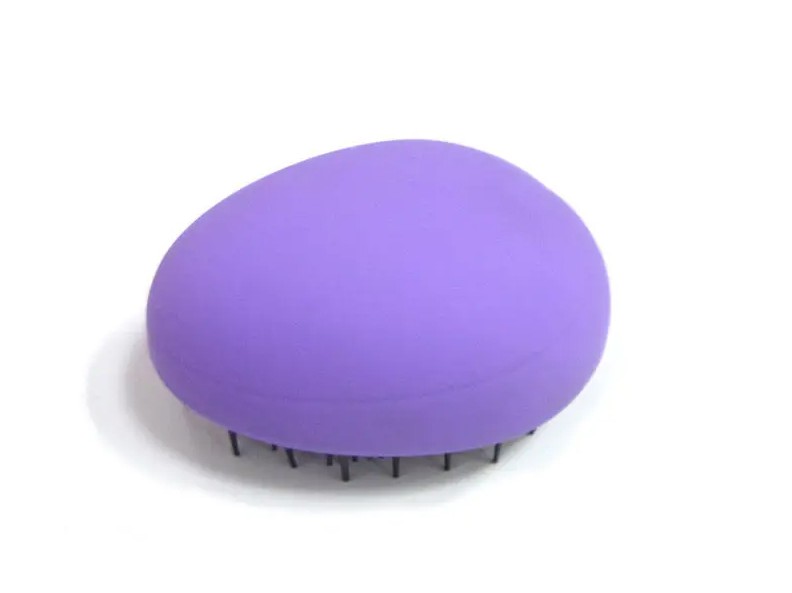
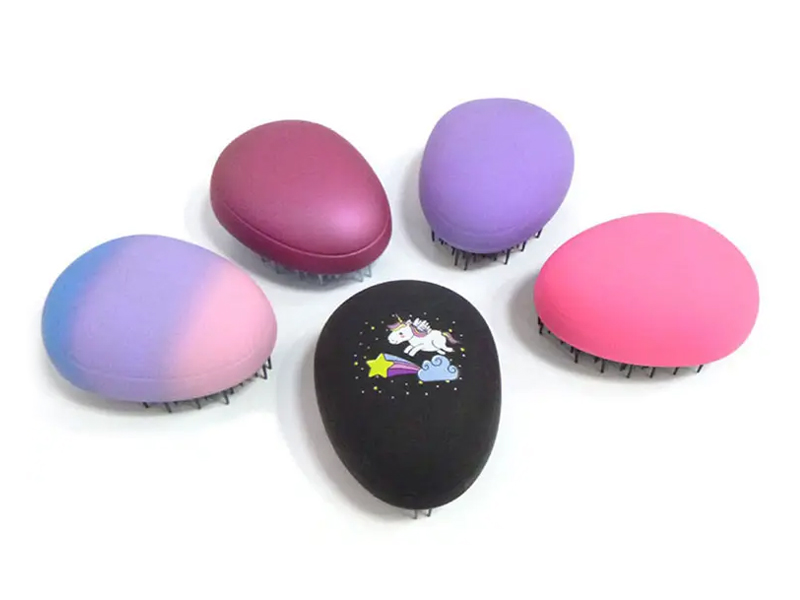
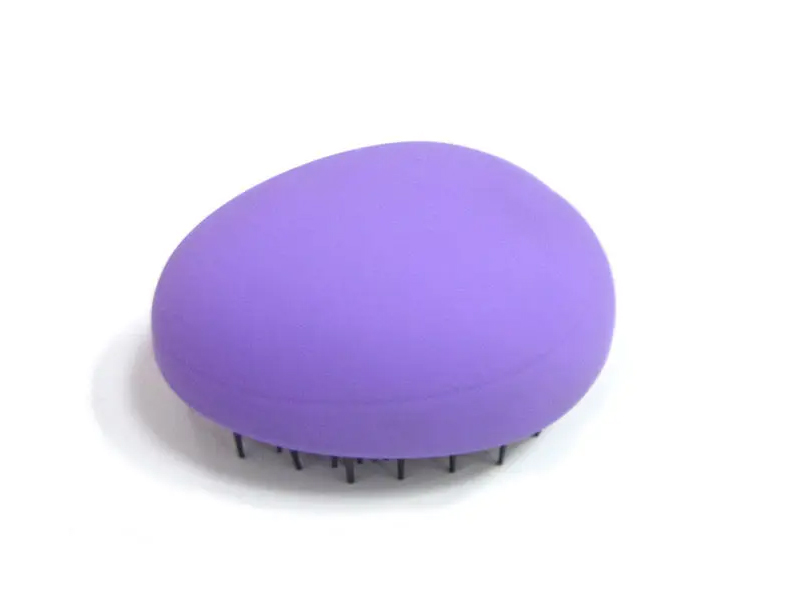
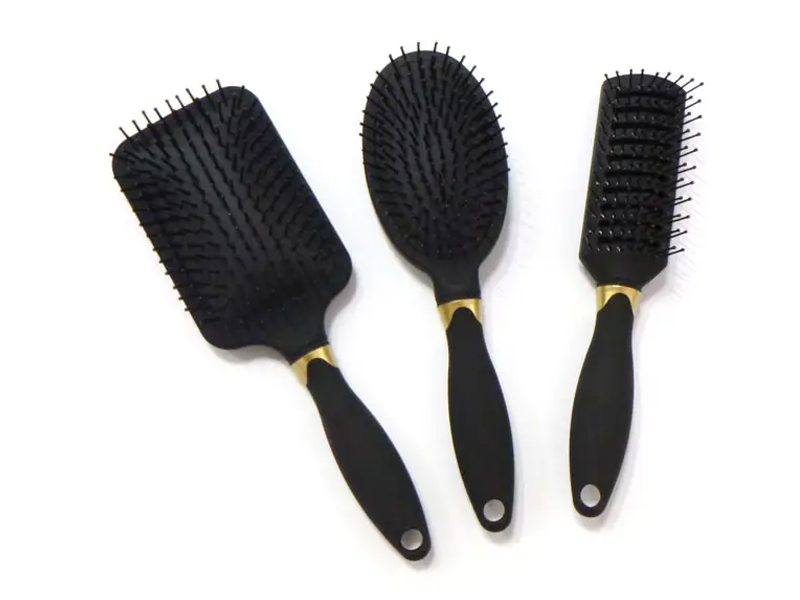
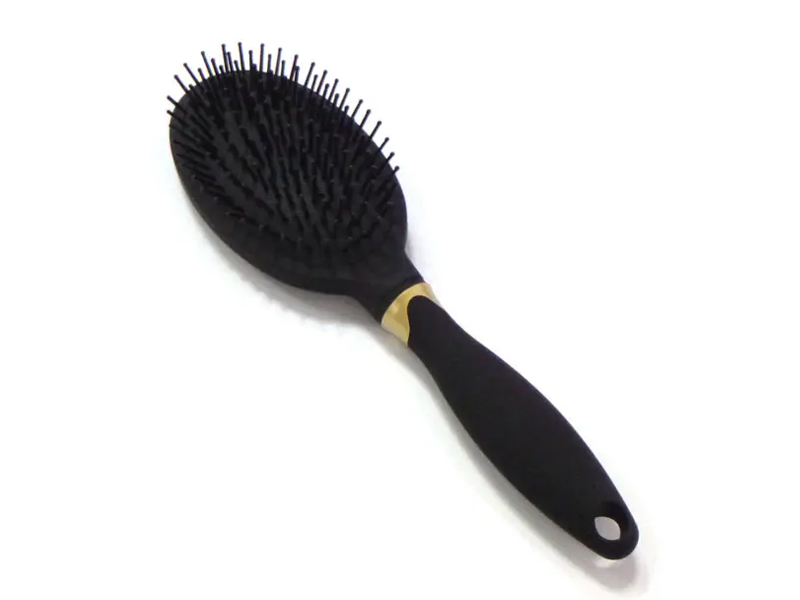
Egg Anti-static Massage Detangle Massage Comb
The Egg Anti-static Massage Detangle Massage Comb is a uniquely designed hair care tool that combines practical fun...


Content
The detangler tangle dry small brush has evolved from a simple travel accessory into an essential daily hair care tool. The global hair brush market is projected to grow from $750 million in 2025 to $1,248 million by 2034, with a CAGR of 8.9%. Compact detangling brushes are the fastest-growing segment due to their proven ability to reduce breakage by up to 50% during wet or dry combing. Featuring flexible bristles and a palm-sized design, these brushes are particularly suitable for on-the-go styling, gym use, and quick touch-ups for all hair types.
The global hair brush market is undergoing structural growth. According to industry data, the global hair brush market reached $750 million in 2025 and is expected to reach $1,248 million by 2034, representing a compound annual growth rate of 8.9%. The Asia-Pacific region represents the fastest-growing market, projected to expand at 8.5% CAGR through 2028, driven by rising disposable incomes and beauty consciousness.
Compact detangling brushes are experiencing particularly strong demand growth. This surge is driven by three main factors: first, the increasing mobility of modern lifestyles, with consumers seeking portable grooming solutions for travel, gym, and office use; second, social media and beauty influencers highlighting the convenience of mini brushes for quick touch-ups and on-the-go detangling; and third, the expansion of e-commerce channels, with online hair brush sales growing 19% year-over-year, making compact tools more accessible than ever.
| Metric | 2025 | 2026 | 2034 Forecast | CAGR |
|---|---|---|---|---|
| Global Market Size | $750 Million | $810 Million | $1,248 Million | 8.9% |
| North America Market | $150 Million | $162 Million | — | — |
| Europe Market | $188 Million | $203 Million | — | — |
| Online Sales Growth | — | 19% | — | — |
| Global Hair Brush Market Key Data and Forecast (2025–2034) | ||||
Hair is most fragile when wet, with its tensile strength dropping to as low as 30% of its dry state. Small detangling brushes employ a flexible bristle system that bends and rebounds, distributing tension during combing and preventing stress concentration at a single point. Professional trichologists note that using an appropriate small detangling brush can significantly reduce breakage during both wet and dry hair combing, helping hair maintain its length and thickness.
Regular use of a small detangling brush produces a gentle massage-like effect. The stimulation of flexible bristles against the scalp promotes local blood circulation, delivering more oxygen and nutrients to hair follicles. Meanwhile, these brushes help distribute sebum (natural oil) secreted by the scalp evenly from the roots to the tips. This natural conditioning effect reduces dryness at the ends, improves shine, and decreases reliance on leave-in conditioners.
During the combing process, small detangling brushes gently remove dead skin cells from the scalp surface, styling product residue, and environmental pollutants. This cleansing action prevents follicle clogging and creates a favorable environment for healthy hair growth. For frequent users of dry shampoo or hairspray, daily use of a compact detangling brush is an important step in maintaining scalp cleanliness.
The compact design of small detangling brushes offers distinct practical advantages over full-size alternatives, making them ideal for modern, mobile lifestyles.
Small detangling brushes are designed to fit into the palm of your hand and easily slip into handbags, gym bags, or travel pouches. Their lightweight construction makes them virtually unnoticeable when carried, ensuring you always have a detangling solution available. This portability is particularly valuable for frequent travelers, gym-goers, and professionals who need quick hair touch-ups between meetings.
The smaller brush head provides enhanced precision and control, allowing users to target specific tangles and knots with greater accuracy. This is especially beneficial for those with layered haircuts, bangs, or localized tangling areas. The compact size also makes it easier to maneuver around the ears and neckline, where larger brushes often struggle.
Quality small detangling brushes are engineered for both wet and dry hair use. Their flexible bristles glide through wet hair without causing breakage, while their compact size makes them equally effective for dry-hair smoothing and styling. Some designs feature heat resistance up to 240°F, making them suitable for blow-drying and heat styling on the go.
The compact form factor naturally accommodates various hand sizes, including children and those with smaller hands who may find full-size brushes cumbersome. The ergonomic design reduces wrist strain during use and provides a secure grip even when hands are wet or coated with styling products.
Small detangling brushes are not one-size-fits-all products. Different hair types require matching bristle stiffness, density, and arrangement. Here are professional recommendations based on hair type:
Fine hair is prone to breakage from excessive pulling. It is recommended to choose a small detangling brush with soft, flexible bristles, avoiding rigid bristles that cause mechanical damage to fragile strands. Look for brushes with smooth bristle tips without balls or knobs, as these tend to grasp onto hair and cause breakage.
Medium hair has good tolerance and is suitable for medium-flexibility bristles. An oval-shaped small brush is recommended for medium lengths and shorter hair, as it provides balanced coverage and easy maneuverability. Brushes with alternating bristle heights can help detangle efficiently while smoothing surface strands.
Thick and curly hair is more likely to form tight tangles and requires bristles with sufficient support. It is recommended to select a small detangling brush with stiffer, widely-spaced bristles that can penetrate dense hair without snagging. Rectangular-shaped brushes with separated rows are ideal, as they fan out during detangling, which is gentler on curl patterns.
Chemically treated hair is in a fragile state and requires the gentlest possible care. Small brushes with natural bamboo or softwood components offer anti-static properties that reduce friction and breakage during combing. An anti-slip handle design provides a more secure grip, minimizing accidental pulling caused by hand slippage.
Even with a high-quality small detangling brush, incorrect usage can still damage hair. Here is the professionally recommended procedure:
Small detangling brushes are suitable for both wet and dry hair. When using on wet hair, it is recommended to first gently towel-dry to avoid dripping-wet conditions. Start at the ends and gradually work upward toward the roots—never pull an entire section at once. For dry-hair combing, spray a small amount of leave-in conditioner or detangling spray before use to further reduce friction and enhance smoothness.
Divide hair into 4–6 small sections and work on each strand individually. This method ensures every hair strand receives even attention and prevents missing stubborn tangles. For thick or curly hair, finger-detangle before brushing to remove the largest knots. Sectional processing significantly improves efficiency and reduces scalp-pulling sensation.
Regular cleaning of your small detangling brush is essential for maintaining its performance and hygiene. It is recommended to remove broken hairs wrapped around the bristles weekly and wash the brush surface monthly with warm water and mild antibacterial soap. Brushes with bamboo or wooden components should avoid prolonged soaking; dry immediately after washing and place in a ventilated area to air-dry, which extends service life and maintains material stability.
The small detangling brush industry is evolving in three clear directions:

Copyright © 2024 Ningbo Junyang Brushes Company.
Wholesale Hair Brush Manufacturer
OEM Hair Brush Factory
