

 English
 中文简体
中文简体
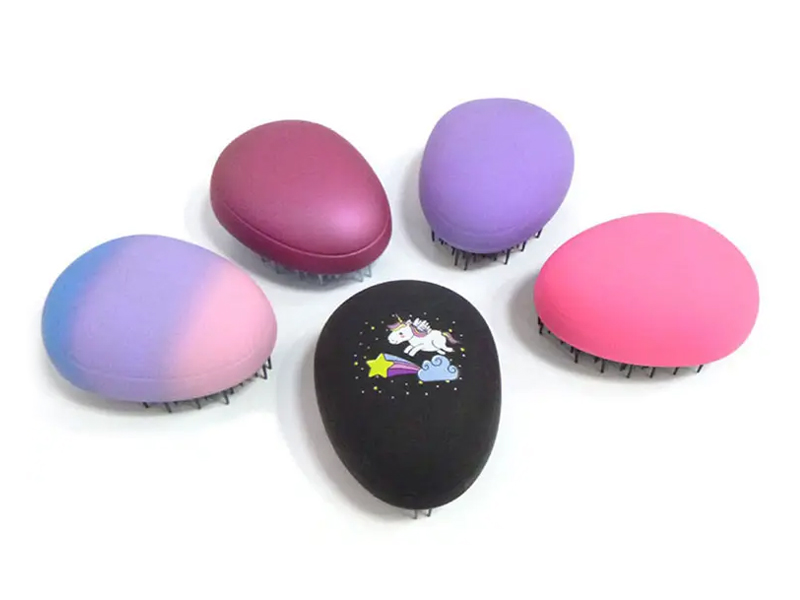
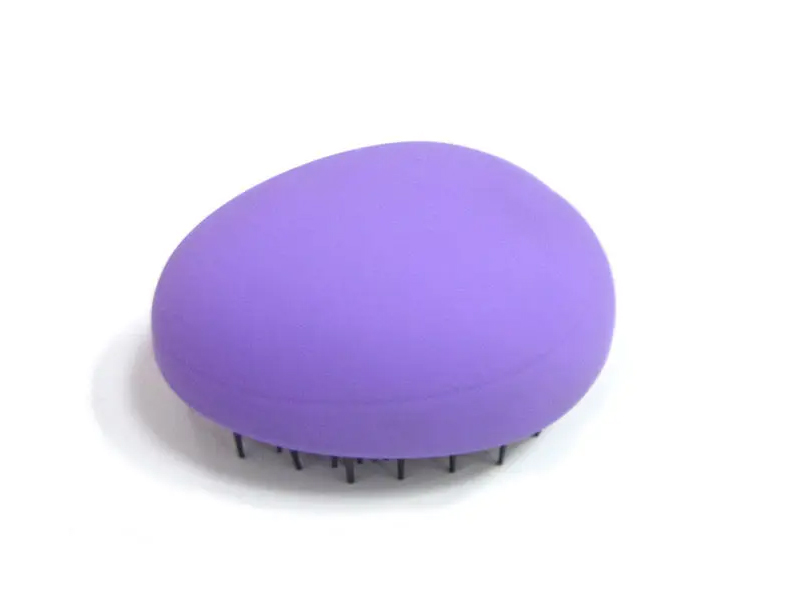
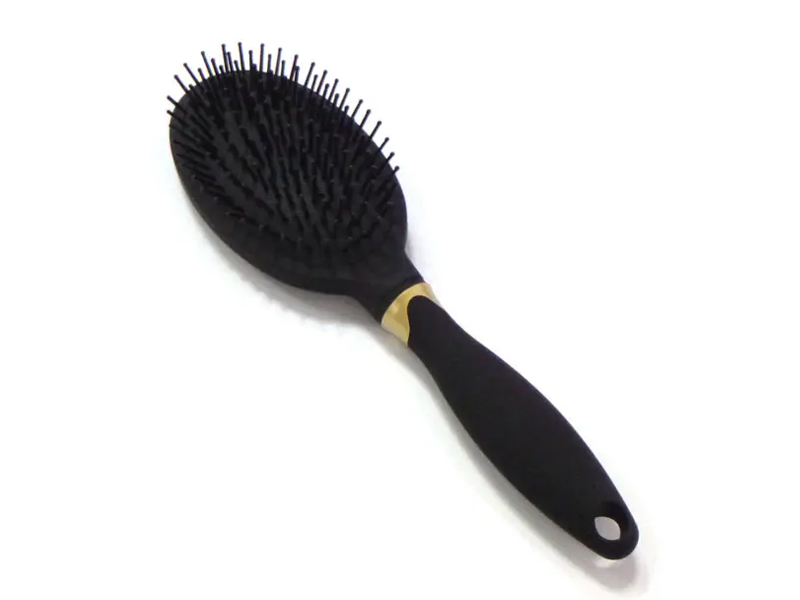
Egg Anti-static Massage Detangle Massage Comb
The Egg Anti-static Massage Detangle Massage Comb is a uniquely designed hair care tool that combines practical fun...


Content
The brush body of a mini plastic hair brush typically adopts food-grade ABS engineering plastic with a density of 1.05g/cm³ and an impact strength of 200J/m, remaining stable in environments from -20°C to 80°C. The bristles use high-density nylon 6 or nylon 66, with diameters ranging from 0.15mm to 0.25mm. The tips are rounded to a ball diameter within 0.5mm to prevent scalp scratching.
Compared with traditional wooden brushes, plastic offers quantifiable benefits: weight reduction of approximately 40% (single unit weight only 25g to 35g), 100% water resistance (fully washable), and production cost reduction of about 30%. The brush back usually features vent holes 3mm to 5mm in diameter spaced 8mm to 10mm apart, effectively reducing static buildup and lowering hair frizz by over 25%.
| Material Parameter | ABS Plastic | Nylon Bristle |
| Density | 1.05 g/cm³ | 1.14 g/cm³ |
| Temperature Range | -20°C ~ 80°C | -40°C ~ 120°C |
| Tensile Strength | 45 MPa | 80 MPa |
| Tip Diameter | — | 0.3mm ~ 0.5mm |
| Unit Weight | 25g ~ 35g | |
The global hair brush market reached USD 9.2 billion in 2024, with plastic materials accounting for over 55%. The popularity of mini plastic hair brushes is driven by evolving consumer behavior and upgraded industrial supply chains.
On the consumer side, modern lifestyles have accelerated, with average travel frequency up 18% since 2019, sharply increasing demand for portable personal care tools. Mini brushes typically measure 15cm to 18cm in length and 5cm to 7cm in width, fitting easily into handbags, gym bags, or aircraft carry-on luggage. On the industrial side, mature injection molding technology shortens the single-piece production cycle to 15 to 20 seconds. Combined with automated bristle-planting equipment, daily output reaches 8,000 to 12,000 units, enabling mass supply.
As a hair brush factory, we have observed that OEM orders for mini models rose from 32% in 2020 to 51% in 2024. Client groups include hotel chains (disposable amenities), airlines (business-class kits), beauty brands (promotional bundles), and cross-border e-commerce (independent-site bestsellers).
Proper use can extend brush lifespan by 3 to 5 times. Start brushing from the ends and gradually move upward toward the roots. Single-stroke force should stay between 0.5N and 1.5N to avoid excessive pulling and breakage. For wet hair, use a wide-tooth comb first, then switch to the fine-tooth mini brush only after moisture drops below 30%.
Each quarter, spray bristles with diluted 75% medical alcohol (alcohol to water ratio 1:3), let stand for 3 minutes, then rinse. This achieves a germ-kill rate above 99%.
When choosing a hair brush supplier, evaluate three layers: certification, production scale, and quality control. A qualified manufacturer should hold ISO 9001 quality management certification, BSCI social responsibility audit reports, and product certifications for target markets such as EU CE, US FDA, and Japan SG.
For production scale, factories with monthly output below 500,000 units usually struggle to guarantee delivery stability for large OEM orders. Quality control should include bristle pull-force testing (single bristle extraction force must exceed 1.5N), drop testing (no cracking after free fall from 1 meter onto concrete), and color-fastness testing (no fading after 30 minutes in 40°C water).
| Evaluation Dimension | Minimum Standard | Premium Standard |
| Monthly Output | 300,000 units | 1,000,000+ units |
| Bristle Pull Force | 1.0N | 1.5N or above |
| Drop Test | 0.5m no damage | 1.0m no damage |
| Certifications | ISO 9001 | ISO 9001 + BSCI + FDA |
| Sample Lead Time | 7 days | 3 to 5 days |
Additionally, on-site audits of the supplier's injection and bristle-planting workshops are recommended. The injection workshop should maintain constant temperature and humidity (22°C±2°C, 55%±5% RH). The bristle-planting workshop should use CNC automatic machines with planting accuracy within ±0.1mm, ensuring uniform bristle density and neat alignment on every brush.
Thanks to its lightweight design, durable materials, and multi-scene adaptability, the mini plastic hair brush has become a core category in the personal care tool market. For buyers, locking in a hair brush manufacturer with scalable capacity and complete certification is the key to ensuring product quality and supply chain stability.

Copyright © 2024 Ningbo Junyang Brushes Company.
Wholesale Hair Brush Manufacturer
OEM Hair Brush Factory
