

 English
 中文简体
中文简体
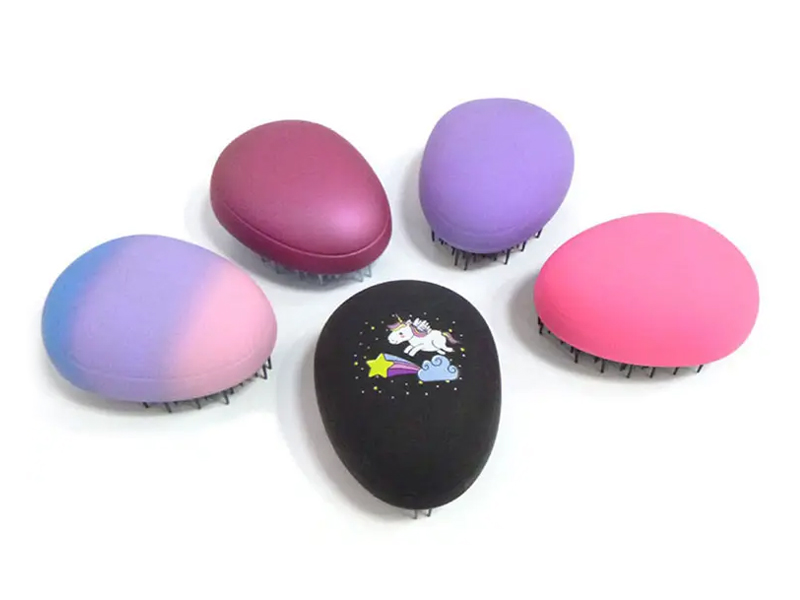
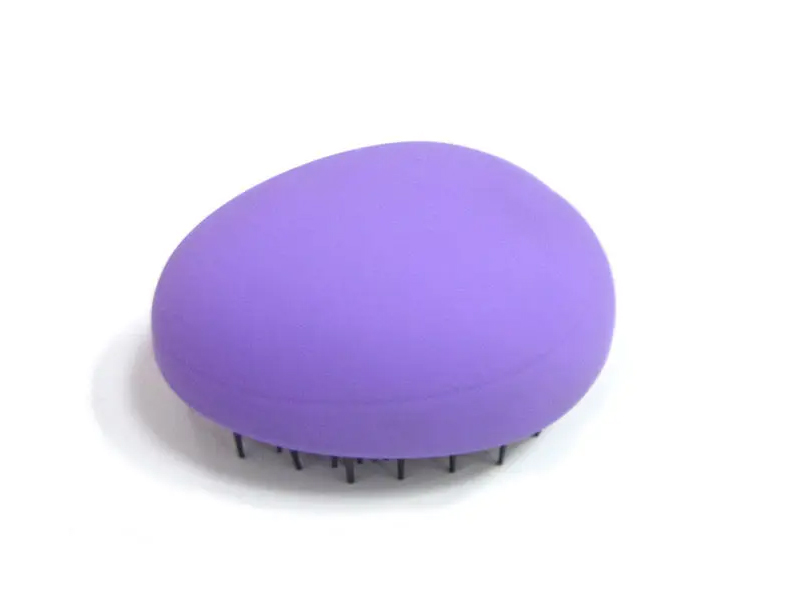
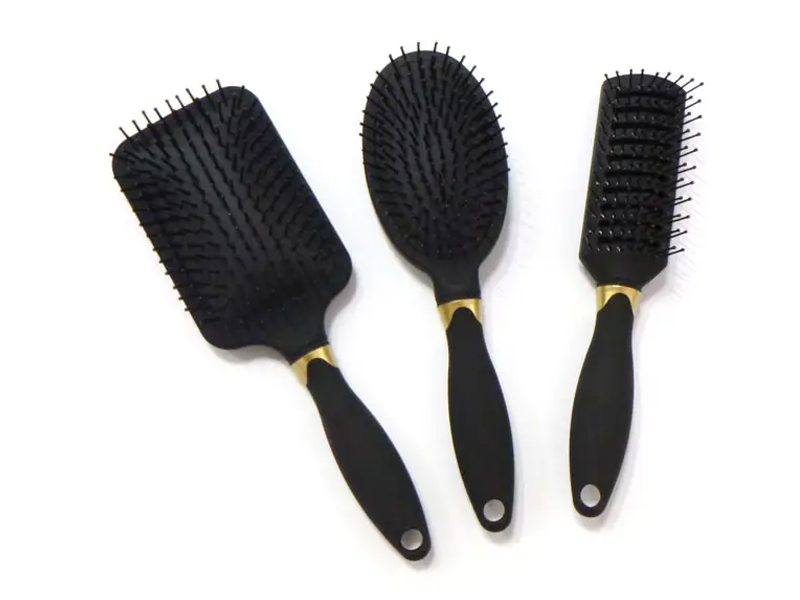
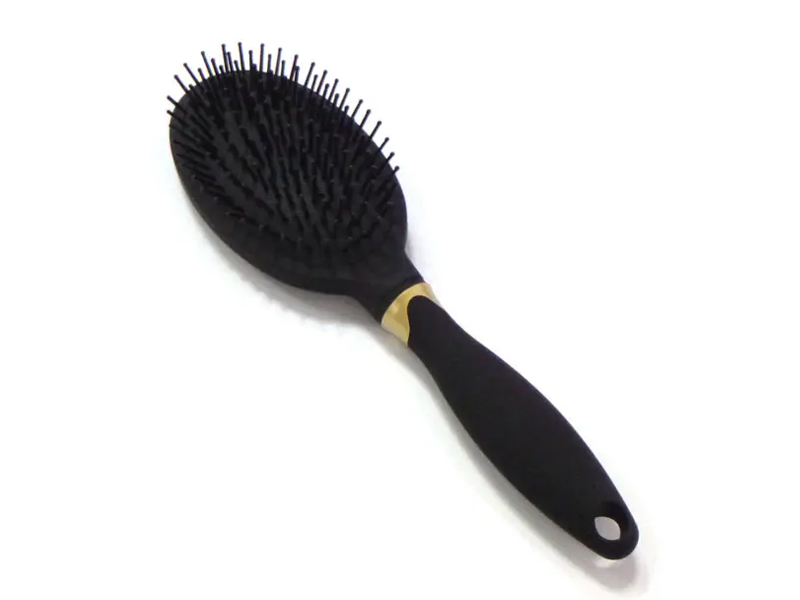
Egg Anti-static Massage Detangle Massage Comb
The Egg Anti-static Massage Detangle Massage Comb is a uniquely designed hair care tool that combines practical fun...


Content
The detangling brush has evolved from a simple styling tool into an essential hair care necessity. The global hair brush market is projected to grow from $1.28 billion in 2025 to $2.06 billion by 2034, with a compound annual growth rate of 5.51%. Among all segments, detangling brushes rank among the fastest-growing categories due to their proven ability to significantly reduce breakage during wet-hair combing. Detangling brushes featuring natural bamboo handles and flexible bristles outperform traditional plastic alternatives in antimicrobial properties, weight control, and static reduction, making them particularly suitable for daily use by people with long, curly, or damaged hair.
The global hair brush market is undergoing structural growth. According to industry data, the global hair brush market reached $1.28 billion in 2025 and is expected to reach $2.06 billion by 2034, representing a compound annual growth rate of 5.51%. The Asia-Pacific region dominates the global market with a 36.67% share, with emerging economies such as China and India showing particularly significant demand growth.
As a professional niche category, detangling brush growth is driven by three main factors: first, rising consumer awareness of hair health, with increasing recognition that improper combing is a primary cause of breakage and split ends; second, promotion through social media and beauty influencers, which has widely disseminated the effectiveness of detangling brushes in wet-hair care and curly hair management; and third, the expansion of e-commerce channels, with online hair brush sales growing 19% year-over-year, making it easier for consumers to access professional-grade products.
| Metric | 2025 | 2026 | 2034 Forecast | CAGR |
|---|---|---|---|---|
| Global Market Size | $1.28 Billion | $1.34 Billion | $2.06 Billion | 5.51% |
| North America Market | $0.25 Billion | $0.26 Billion | — | — |
| Europe Market | $0.39 Billion | $0.41 Billion | — | — |
| Online Sales Growth | — | 19% | — | — |
| Global Hair Brush Market Key Data and Forecast (2025–2034) | ||||
Hair swells and becomes fragile when wet, with its tensile strength dropping to as low as 30% of its dry state. Traditional rigid bristles are highly prone to causing mid-shaft breakage under these conditions. Detangling brushes employ a flexible bristle system that bends and rebounds, distributing tension during combing and preventing stress concentration at a single point. Professional trichologists note that using an appropriate detangling brush can significantly reduce breakage during wet-hair combing, helping hair maintain its length and thickness.
Regular use of a detangling brush serves purposes beyond detangling—it also produces a massage-like effect. The gentle stimulation of bristles against the scalp promotes local blood circulation, delivering more oxygen and nutrients to hair follicles. Meanwhile, detangling brushes help distribute sebum (natural oil) secreted by the scalp evenly from the roots to the tips. This natural conditioning effect reduces dryness at the ends, improves shine, and decreases reliance on leave-in conditioners.
During the combing process, detangling brushes gently remove dead skin cells from the scalp surface, styling product residue, and environmental pollutants. This cleansing action prevents follicle clogging and creates a favorable environment for healthy hair growth. For frequent users of dry shampoo or hairspray, daily use of a detangling brush is an important step in maintaining scalp cleanliness.
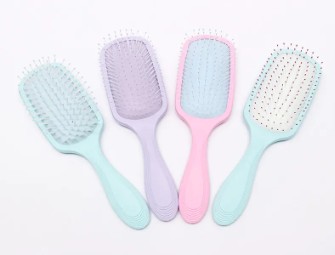
Among the materials used to manufacture detangling brushes, bamboo is rapidly becoming an alternative to plastic. This shift is driven not only by environmental considerations but also by the practical performance advantages grounded in materials science.
Bamboo contains a natural bioactive agent called "bamboo kun," which gives it inherent antimicrobial properties. For a detangling brush that frequently contacts the scalp, collects sebum, and is stored in warm, humid environments, this characteristic carries practical significance. In contrast, plastic brush handles possess no antimicrobial capability—their inert surfaces readily serve as attachment sites for bacteria. In professional salon settings, the antimicrobial advantage of bamboo detangling brushes can reduce cross-contamination risks.
Bamboo is approximately 30% lighter than injection-molded plastics. For hair professionals who hold tools for hours each day, this weight difference significantly reduces fatigue in the wrists and forearms. Additionally, the natural grain of bamboo provides subtle anti-slip properties without requiring rubberized coatings. Plastic handles typically need added grip materials, which wear out and peel over time.
High-quality bamboo possesses tensile strength superior to many hardwoods and most plastics. Bamboo brush handles treated with food-grade sealants will not crack from daily drops, will not warp from hair dryer heat, and will not develop the stress fractures that plague plastic handles after months of use. This durability significantly extends the lifespan of bamboo detangling brushes, offering better long-term value.
When bamboo handles are paired with natural wood pins or boar bristles, the entire tool achieves zero-static combing. Static is the enemy of smooth styling—it lifts the cuticle layer, creates flyaways, and negates the effects of conditioning treatments. Natural-material detangling brushes eliminate this problem at its source, leaving hair smooth and shiny after combing.
Detangling brushes are not one-size-fits-all products. Different hair types require matching bristle stiffness, density, and arrangement. Here are professional recommendations based on hair type:
Fine hair is prone to breakage from excessive pulling. It is recommended to choose a detangling brush with soft plastic or bamboo bristles, avoiding rigid bristles that cause mechanical damage to fragile strands. A fine-tooth brush surface helps distribute the scalp's natural oils evenly, providing fine hair with natural volume and shine.
Medium hair has good tolerance and is suitable for medium-stiffness plastic or wooden bristles. A brush surface with alternating wide and fine teeth is recommended, allowing for quick detangling of large knots while also delicately smoothing surface strands—balancing efficiency and sleekness.
Coarse and curly hair is more likely to form tight tangles and requires bristles with sufficient support. It is recommended to select stiff plastic or wide-spaced wooden bristles paired with a wide-tooth brush surface. Detangling brushes with soft side bristles can protect curl structure during large-area detangling, preventing disruption of curl definition.
Chemically treated hair is in a fragile state and requires the gentlest possible care. Natural bamboo or softwood bristles, with their natural anti-static properties, reduce friction and breakage during combing. An anti-slip handle design provides a more secure grip, minimizing accidental pulling caused by hand slippage.
Even with a high-quality detangling brush, incorrect usage can still damage hair. Here is the professionally recommended procedure:
Detangling brushes are suitable for both wet and dry hair. When using on wet hair, it is recommended to first gently towel-dry to avoid dripping-wet conditions. Start at the ends and gradually work upward toward the roots—never pull an entire section at once. For dry-hair combing, spray a small amount of leave-in conditioner or essential oil before use to further reduce friction and enhance smoothness.
Divide hair into several small sections and work on each strand individually. This method ensures every hair strand receives even attention and prevents missing stubborn tangles. For long or thick hair, sectional processing significantly improves efficiency and reduces scalp-pulling sensation.
Regular cleaning of your detangling brush is essential for maintaining its performance and hygiene. It is recommended to remove broken hairs wrapped around the bristles weekly and wash the brush surface monthly with warm water and neutral detergent. Bamboo detangling brushes should avoid prolonged soaking; dry immediately after washing and place in a ventilated area to air-dry, which extends service life and maintains material stability.
The detangling brush industry is evolving in three clear directions:

Copyright © 2024 Ningbo Junyang Brushes Company.
Wholesale Hair Brush Manufacturer
OEM Hair Brush Factory
