

 English
 中文简体
中文简体
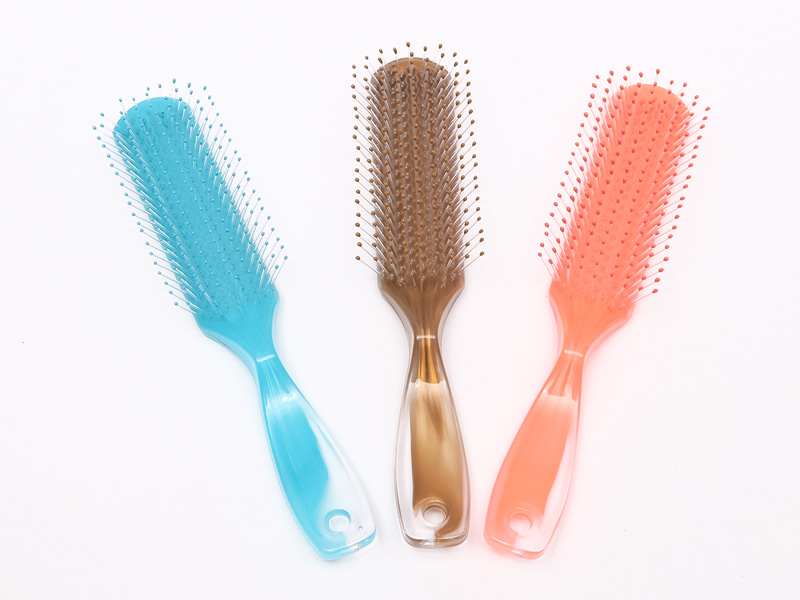
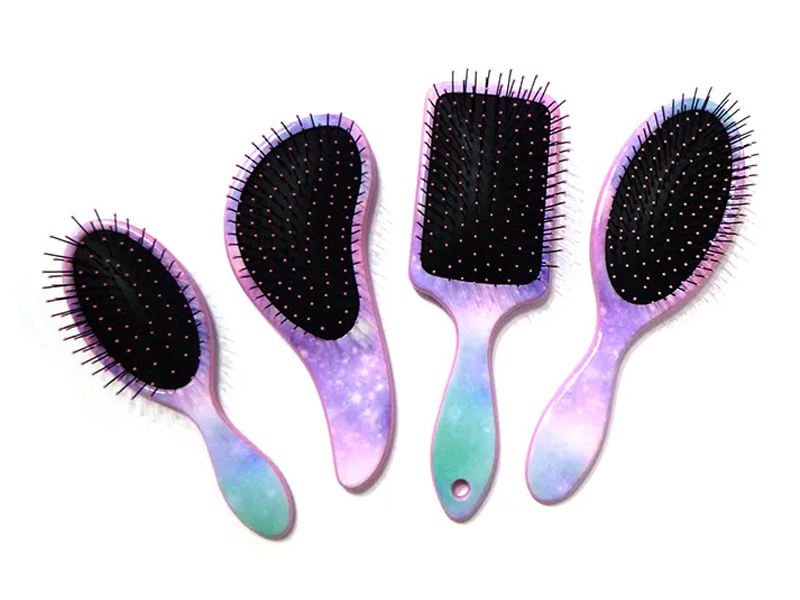
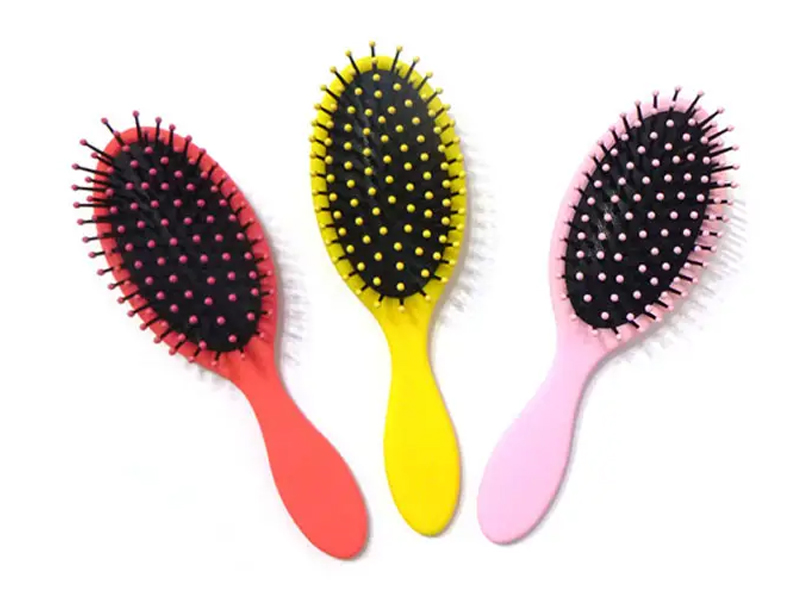
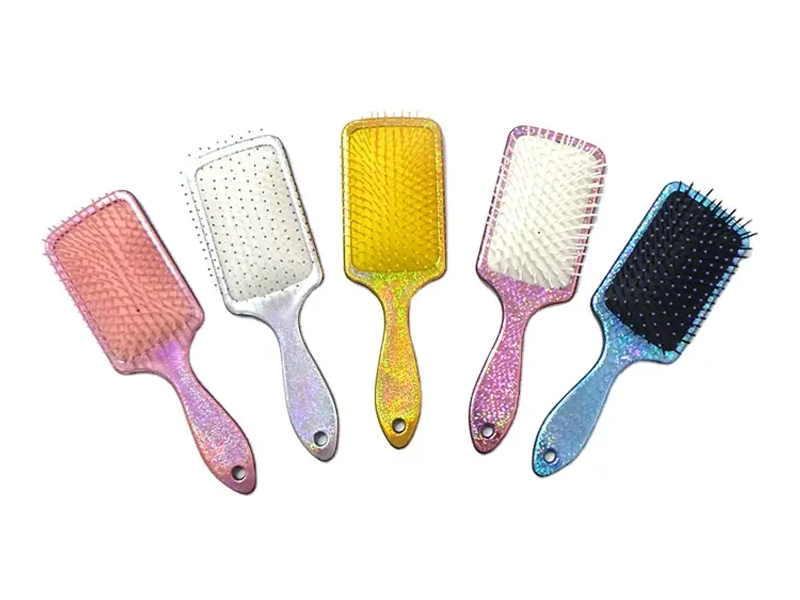
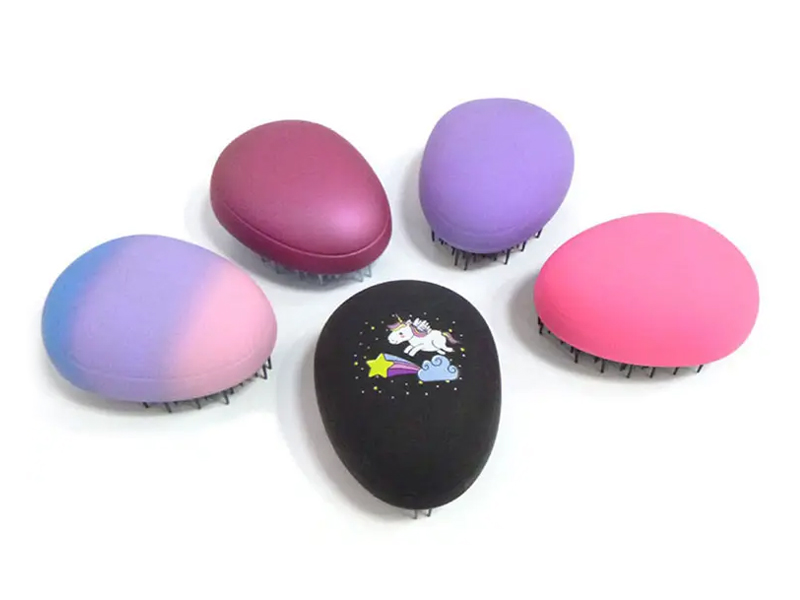
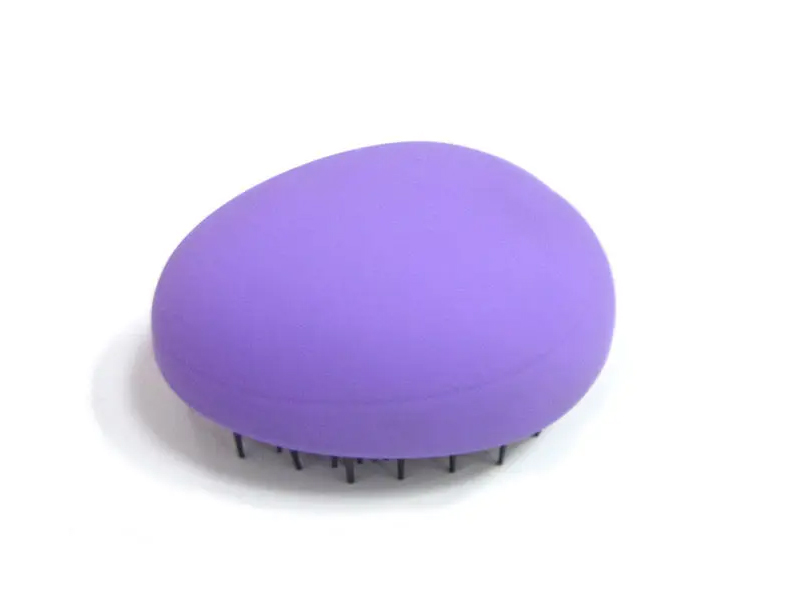
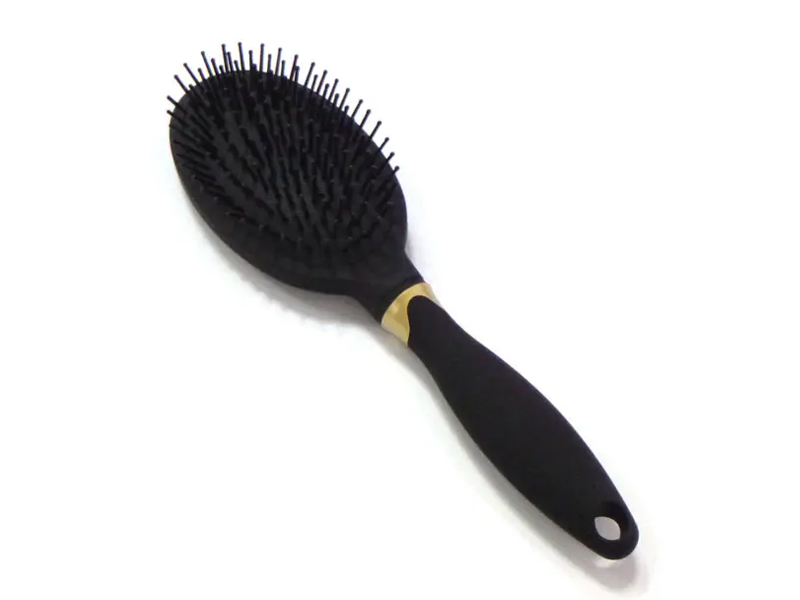
Egg Anti-static Massage Detangle Massage Comb
The Egg Anti-static Massage Detangle Massage Comb is a uniquely designed hair care tool that combines practical fun...


Content
The main functions of a plastic hair comb are detangling, styling, scalp stimulation, hair distribution during coloring or cutting, and static control. A single comb rarely performs all five equally well — tooth spacing, tooth shape, and handle design each push a comb toward one function or another. Understanding which feature drives which function makes it much easier to pick the right tool, whether you are a consumer choosing a daily comb or a buyer sourcing from a hair brush manufacturer for retail.
Before going deeper, here is a quick reference table showing how comb design connects to function. This is useful both for personal hair care decisions and for product development conversations with a hair brush supplier.
| Function | Typical Tooth Design | Best Use Case |
| Detangling | Wide-set, rounded teeth | Wet or curly hair, post-shower routine |
| Precision styling | Fine, closely spaced teeth | Parting, sleek finishes, updos |
| Scalp massage | Blunt, flexible pins | Daily brushing, circulation support |
| Color and cut sectioning | Rat-tail or dual-tooth combs | Salon services, precise sectioning |
| Static reduction | Anti-static treated plastic | Dry or fine hair in winter |
Detangling is the function most people associate with a comb first. Wide, rounded teeth slide between strands without snagging the cuticle, which lowers mechanical breakage compared to brushing dry, knotted hair. A well-made detangling hair brush or comb spaces its teeth roughly 4 to 6 millimeters apart at the base, wide enough to glide through curls and coily textures without ripping through knots.
Styling is the second layer of this same function. Fine-tooth sections of a comb create sharp, clean partings, smooth flyaways before an updo, and help distribute product evenly through the mid-lengths and ends. Many combs combine both zones — wide teeth on one side, fine teeth on the other — so a single tool covers detangling and finishing in one pass.
Blunt-tipped teeth or rounded pins press gently against the scalp as the comb moves through hair, creating a light massaging effect. This stimulates blood flow to the follicles and can make brushing feel more like a short scalp treatment than a chore. Combs marketed as a massage hair brush usually raise the pin height and add a cushioned base, so the pressure is distributed rather than concentrated on a few points.
This function matters most for people who brush daily. A comb that only detangles but never touches the scalp evenly misses this circulation benefit, which is why many product lines now combine a paddle base with rounded massage pins rather than flat, rigid teeth.
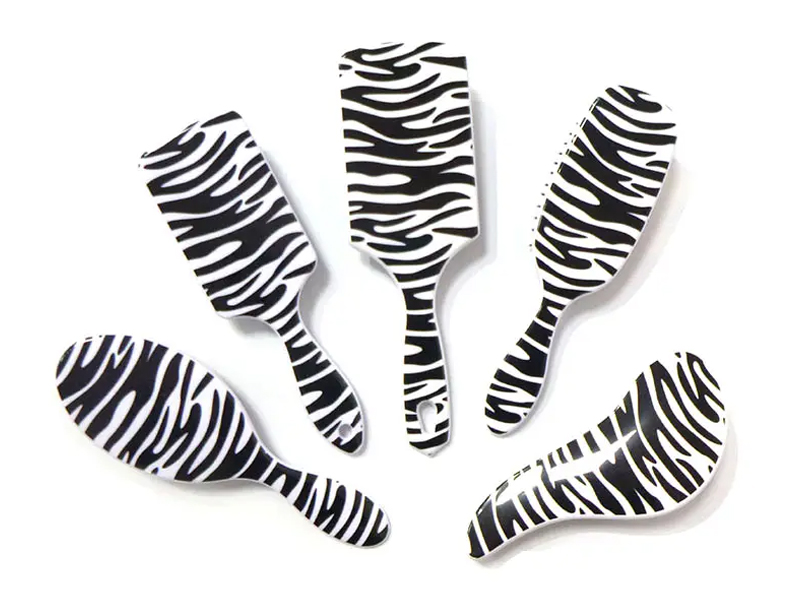
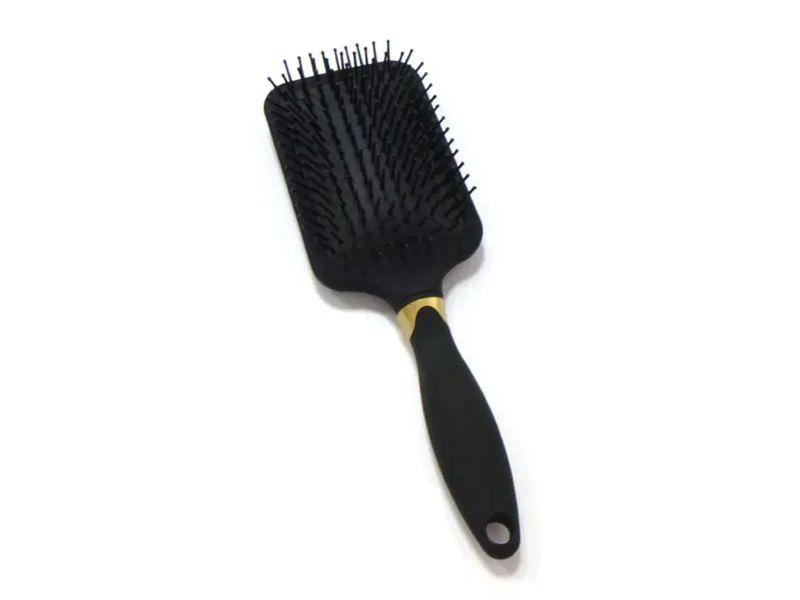
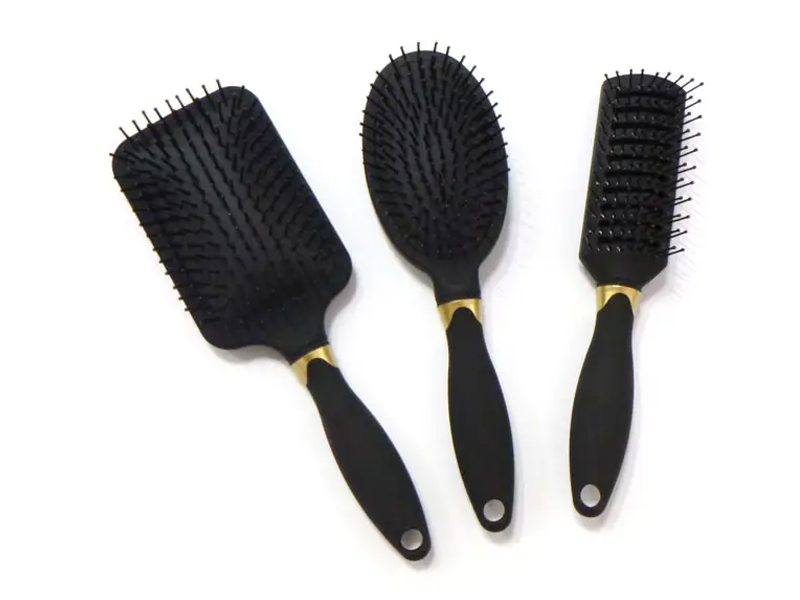
Each function above maps to a specific comb or brush design. Below is a small selection showing how tooth shape, pin material, and handle style change to serve detangling, massage, and styling needs differently.
In salon and home-coloring contexts, a comb's job shifts from comfort to precision. Rat-tail combs with a fine pointed handle isolate thin, even sections of hair for foiling, balayage, or straight-line cutting. The tail lets a stylist part hair without touching the scalp directly, keeping sections clean and preventing color transfer to unintended strands. This is a narrower, technical function, but it is one of the reasons plastic combs remain standard equipment in professional kits alongside brushes.
Dry or fine hair tends to pick up static charge from ordinary plastic, causing flyaways and a harder time controlling the finished style. Combs formulated with anti-static additives, or paired with an ionic-treated surface, reduce that charge buildup during combing. A light mist of water or a drop of leave-in oil on the comb teeth before use adds another layer of static control, particularly useful in dry winter conditions.
Function starts at the mold. A serious hair brush factory tests tooth thickness, spacing, and rounding tolerances before mass production, since a fraction of a millimeter can turn a smooth detangling comb into one that snags hair. Food-grade PP plastic is the common material choice because it resists cracking, holds a polished tooth edge, and passes non-toxic material testing for both adult and children's products.
Quality control also covers the finishing stage. Every tooth tip is deburred and polished individually, since a single sharp edge can scratch a scalp or split hair strands during daily use. Buyers sourcing in bulk should ask any potential hair brush supplier for burr-inspection data and material certification rather than relying on visual samples alone.
Matching comb to purpose avoids the most common complaints — breakage from the wrong tooth spacing, or a comb that looks fine but does not actually detangle. A short checklist helps narrow the choice:
No single comb performs every function at its best, which is why many households and salons keep two or three types on hand rather than relying on one all-purpose tool.

Copyright © 2024 Ningbo Junyang Brushes Company.
Wholesale Hair Brush Manufacturer
OEM Hair Brush Factory
