

 English
 中文简体
中文简体
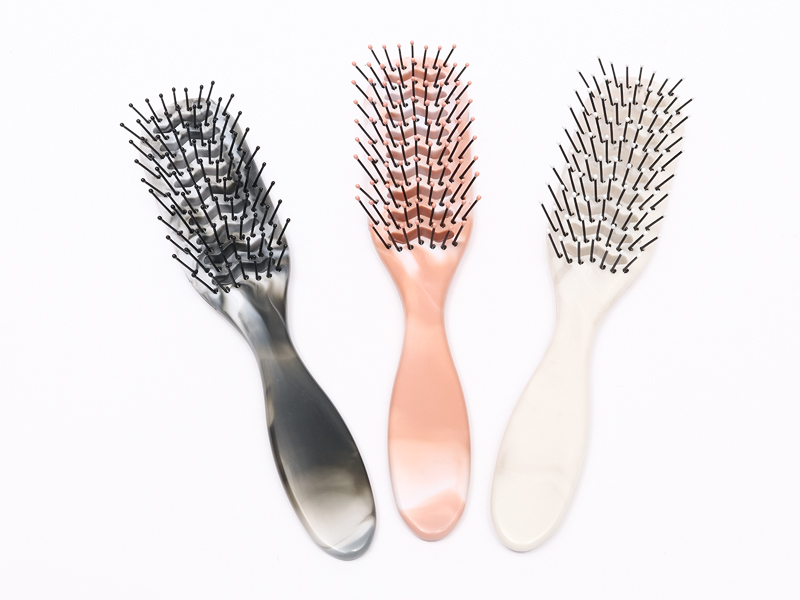
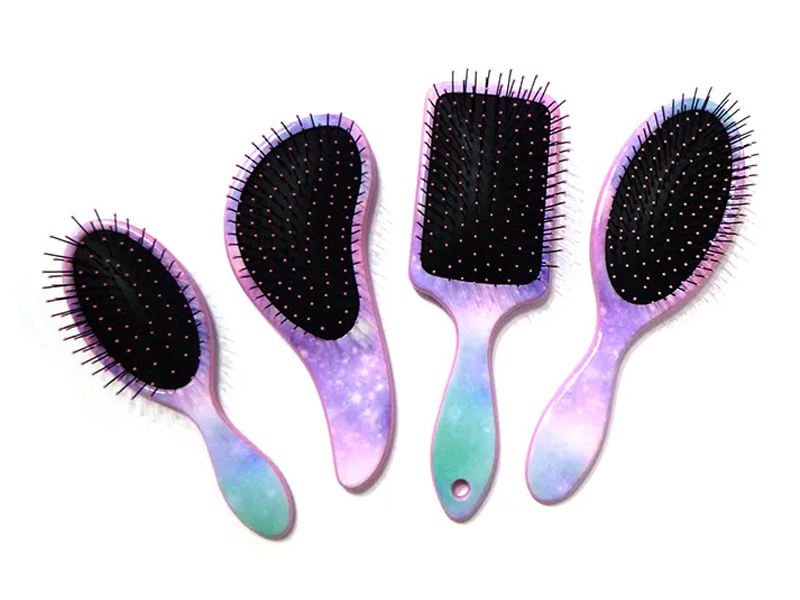
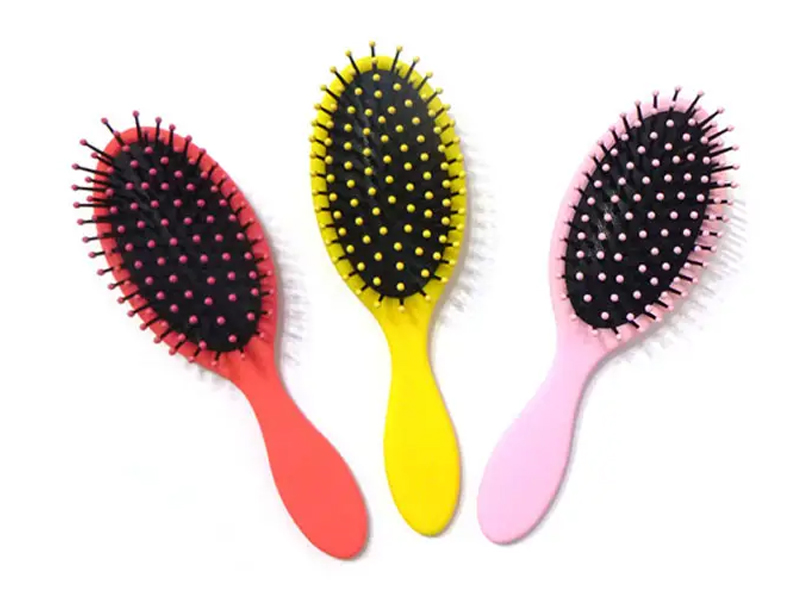
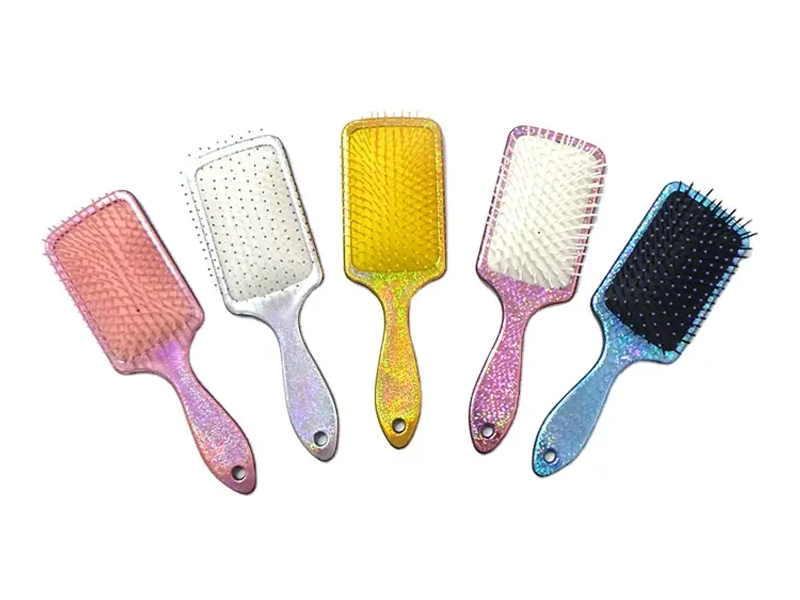
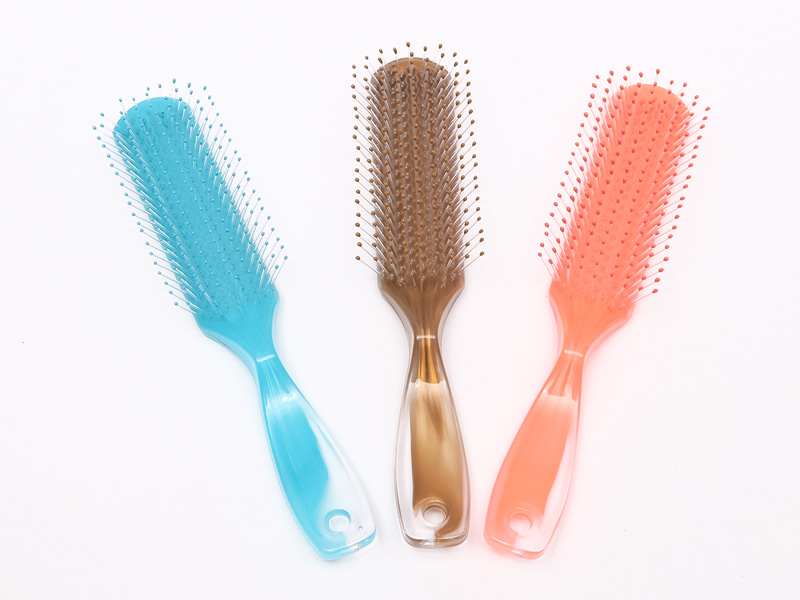
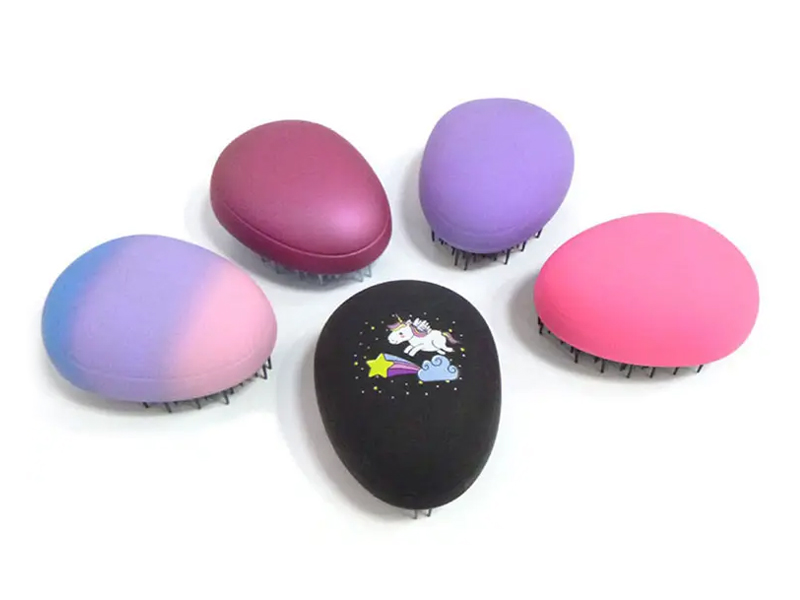
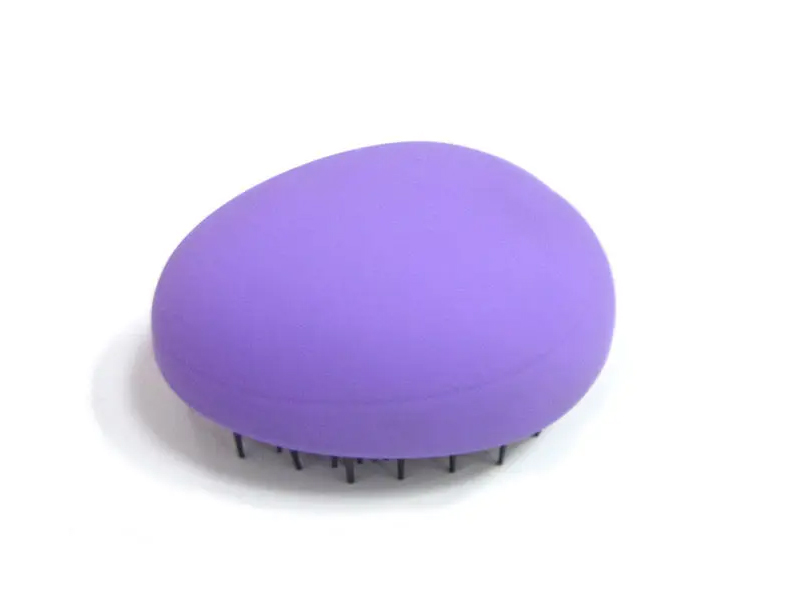
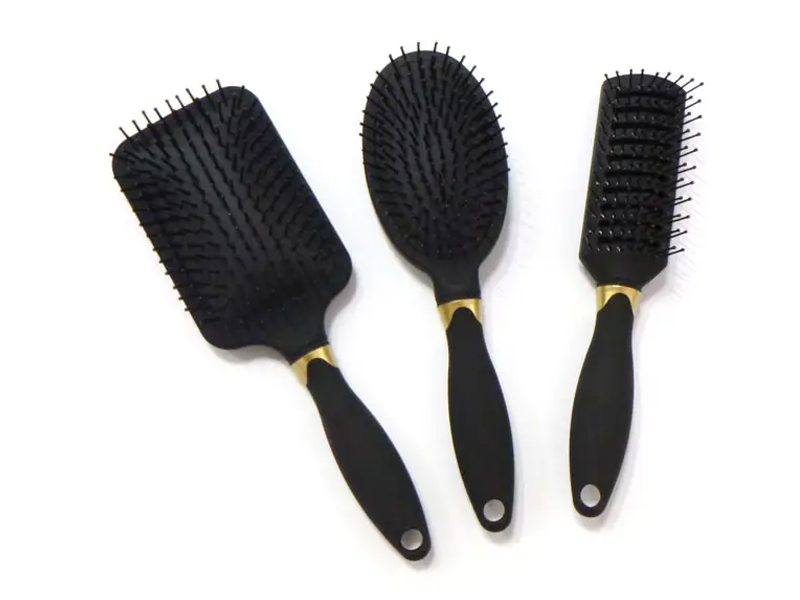
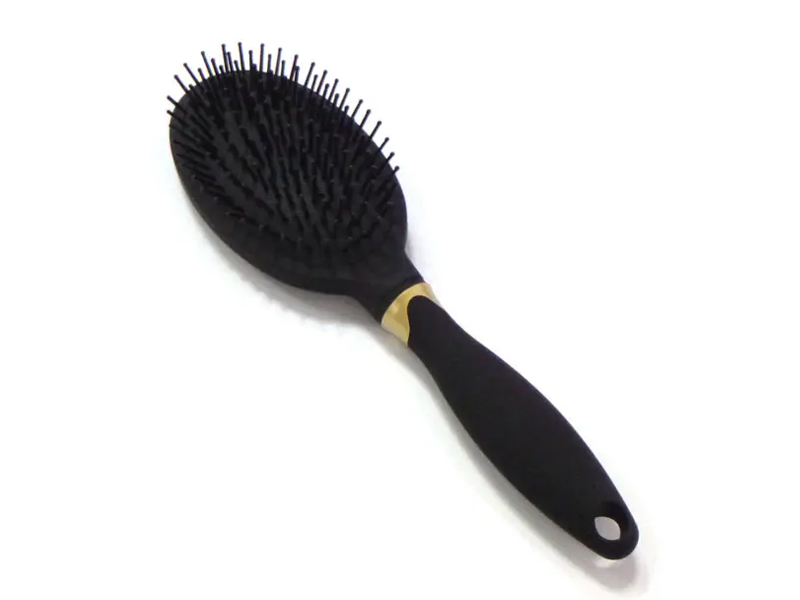
Egg Anti-static Massage Detangle Massage Comb
The Egg Anti-static Massage Detangle Massage Comb is a uniquely designed hair care tool that combines practical fun...


Content
The best plastic comb for thick hair has wide-set teeth spaced 6-8mm apart with a rigid spine; for curly hair, a wide-tooth detangling comb with smooth, rounded 5-7mm teeth prevents breakage; for fine hair, a fine-tooth comb with 1.5-3mm spacing and a flexible, anti-static plastic body gives the smoothest glide without snapping strands. No single comb serves all three textures well, so the right choice depends on tooth spacing, material flexibility and how the comb handles static.
Tooth spacing is the single biggest factor in comb performance. A comb built for fine hair will snag and pull on thick or curly strands, while a wide-tooth comb glides through coarse hair but does nothing useful on thin, fine strands. The table below is a starting reference point before looking at specific comb styles.
| Hair Type | Recommended Tooth Spacing | Best Comb Style | Why It Works |
| Thick Hair | 6-8mm | Wide vented paddle comb | Wide gaps let dense strands pass through without bunching |
| Curly Hair | 5-7mm | Rounded-tip detangling comb | Smooth rounded teeth glide along the curl pattern instead of snagging it |
| Fine Hair | 1.5-3mm | Fine-tooth or vent comb | Close spacing lifts each strand cleanly without adding volume-flattening drag |
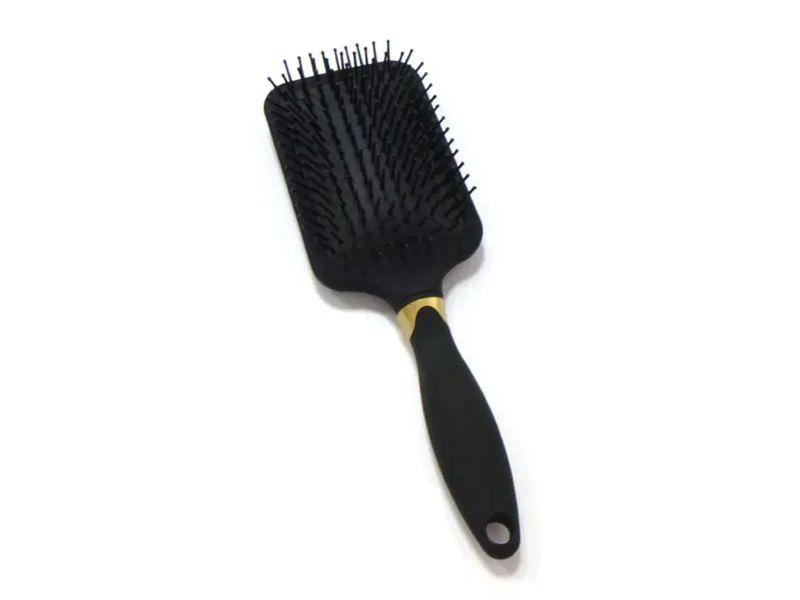
Thick hair needs a comb that resists flexing under load. A thin, cheap comb will bow or snap when it meets a dense section, which is why a wide vented paddle body with a reinforced spine performs better than a slim pocket comb. Vented designs also matter here: air channels behind the teeth let a blow dryer push warm air through the hair instead of just across the surface, cutting drying time by roughly 20 to 30 percent compared to a solid-back paddle.
Curly and coily patterns lose their shape fastest under dry combing, so the comb geometry matters more than the material itself. A wide-tooth comb with smooth, seamless edges works from the ends upward, section by section, rather than pulling from the root down through a full curl. Combs designed for curl work typically use a slightly flexible plastic that gives a few degrees under resistance instead of forcing the strand straight, which is what causes frizz and breakage on coily textures.
Fine hair is the most static-prone texture, since thin strands carry less natural weight to hold them down. A fine-tooth comb with closely set, narrow teeth separates strands cleanly for styling, but the plastic compound matters as much as the tooth spacing. Combs molded with anti-static additives measurably cut fly-away buildup, while standard PP or PS plastic without any treatment can leave hair charged for several minutes after combing, especially in dry indoor air.
Each style below targets a specific texture challenge, from taming thick sections to detangling curls without breakage. As a hair brush manufacturer, these are the structural details worth checking before choosing a comb for daily use or bulk sourcing.
Not every plastic comb on the market is built the same, and the difference usually comes down to what happens during molding. A reputable hair brush factory polishes each tooth tip after molding to remove burrs left by the injection process, since an unpolished tooth edge is what actually scratches the scalp, not the plastic material itself. Food-grade PP is the standard for combs meant for daily or children's use, since it stays stable at higher temperatures and does not leach compounds the way lower-grade recycled plastics can.
| Quality Signal | What To Check |
| Tooth Finish | Run a fingertip along each tooth; any rough edge means insufficient polishing |
| Material Grade | Ask for food-grade PP certification, especially for children's combs |
| Flex Test | A quality comb bends slightly and returns to shape; a brittle one cracks under light pressure |
| Static Treatment | Comb dry hair once and check fly-aways within 10 seconds; excessive lift signals no anti-static additive |
For salons, retailers or private-label brands sourcing in volume, the comb itself is only part of the decision. A reliable hair brush supplier should provide mold samples before mass production, confirm BSCI or similar factory certification, and offer tooth-spacing variations across a single product line so one order can cover thick, curly and fine hair customers at once. Requesting a small trial batch of 50 to 100 units before a full production run is standard practice and catches finishing issues early, before they show up across thousands of units.
Even the right comb underperforms if it is dirty or damaged. Built-up oil and product residue between teeth reduces glide and can transfer buildup back onto clean hair. Clearing loose hair after each use and washing the comb in warm water with a mild shampoo every three to five days keeps the teeth gliding smoothly and prevents the plastic from developing a sticky film that attracts more static over time.

Copyright © 2024 Ningbo Junyang Brushes Company.
Wholesale Hair Brush Manufacturer
OEM Hair Brush Factory
