

 English
 中文简体
中文简体
Egg Anti-static Massage Detangle Massage Comb
The Egg Anti-static Massage Detangle Massage Comb is a uniquely designed hair care tool that combines practical fun...


Content
A plastic hair comb should be cleaned every three to five days and deep-disinfected once a month. The fastest reliable method is this: pull out loose hair by hand, wash the teeth in warm water with a drop of neutral detergent or shampoo, then soak the comb in white vinegar or rubbing alcohol for about ten minutes before rinsing and air-drying. This two-stage routine removes oil, product residue, and surface bacteria without damaging the plastic.
Every pass through the hair deposits sebum, dead skin cells, styling product, and dust onto the teeth of a comb. Because plastic is non-porous, this buildup sits on the surface rather than soaking in, which sounds convenient but actually means it accumulates faster than most people expect. Within a week of daily use, a comb left unwashed can carry enough oil and debris to redeposit grime back into freshly washed hair and irritate a sensitive scalp.
This matters more for shared combs, children's grooming tools, and anyone with oily skin, dandruff, or scalp acne. A comb that looks clean to the eye can still hold a layer of oxidized oil at the base of the teeth, which is exactly where bacteria and fungal spores multiply.
A short, consistent routine prevents buildup from ever becoming a deep-cleaning project. Follow these steps in order.
Washing removes visible dirt, but disinfection is a separate step aimed at bacteria and fungal spores. Two household solutions work well on plastic without weakening the material.
| Method | How to Use It | Best For |
| White vinegar soak | Submerge the comb in undiluted white vinegar for 10 minutes, then rinse with clean water | Removing mineral buildup and mild odor |
| Rubbing alcohol soak | Submerge in isopropyl alcohol (70 percent or higher) for 10 minutes, then rinse and air-dry | Killing bacteria after illness or scalp infection |
| Diluted bleach solution | One tablespoon of bleach per gallon of water, soak for 5 to 10 minutes, rinse very thoroughly | Shared salon tools or heavily soiled combs |
Ten minutes is the practical sweet spot: long enough for the solution to reach into the fine grooves between teeth, short enough to avoid clouding or drying out the plastic. Combs made from high-density polypropylene or polyethylene tolerate repeated soaking better than softer, low-grade plastics, which is one reason material quality matters as much as the cleaning method itself.
If your current comb is difficult to clean because of dense bristles or a solid spine, these styles are built with the same easy-rinse, low-residue approach in mind.
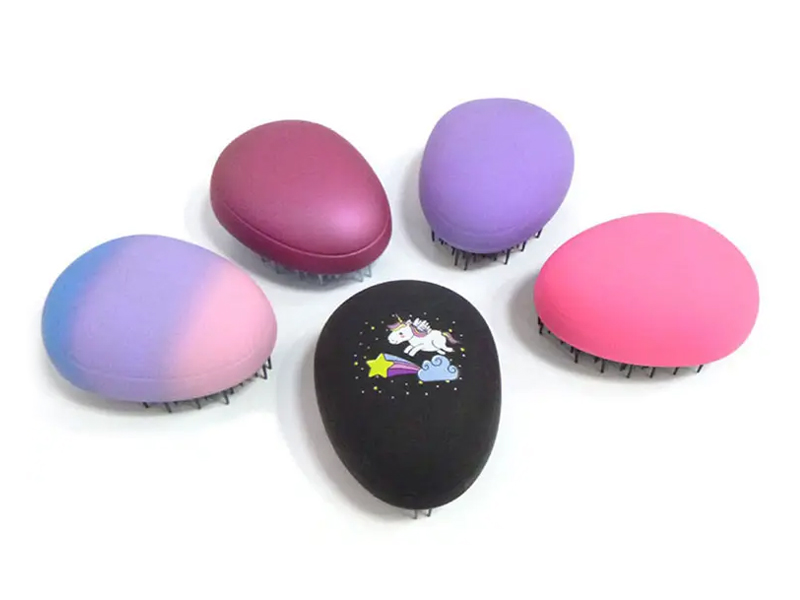
Egg Anti-static Massage Comb
Massage Hair Brush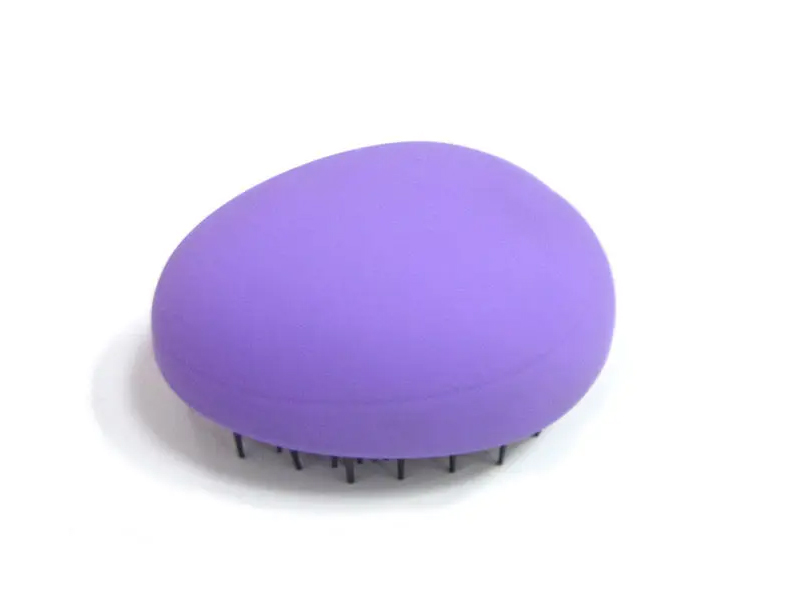
Egg Shape Pocket Brush
Travel Comb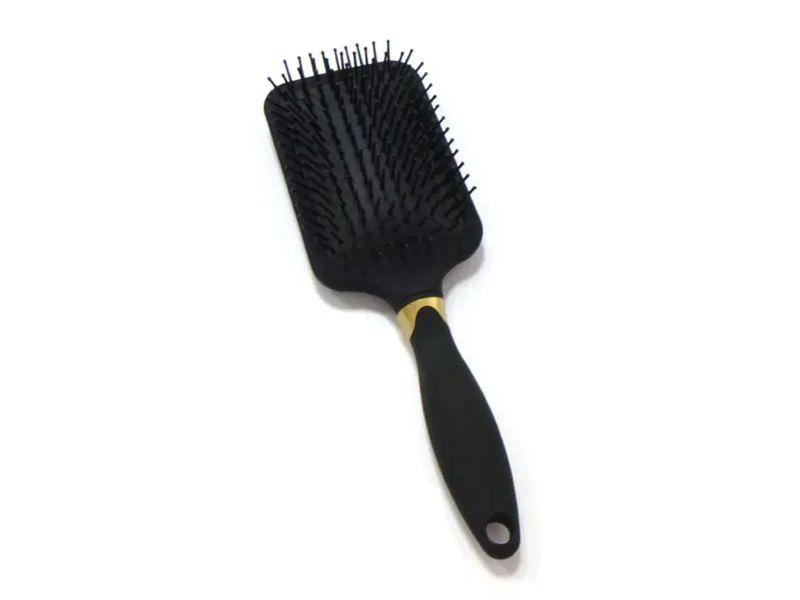
Soft Cushion Round Brush
Massage Hair Brush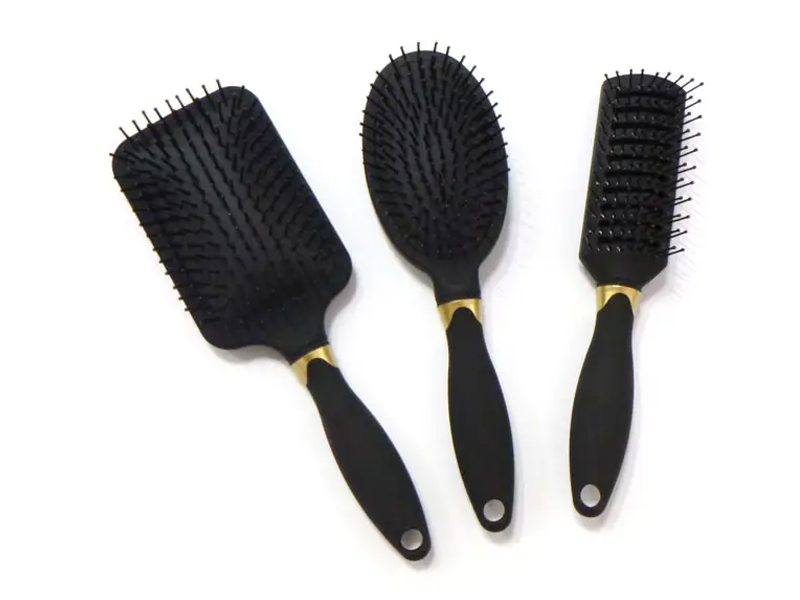
Smooth Teasing Brush
Detangling Hair Brush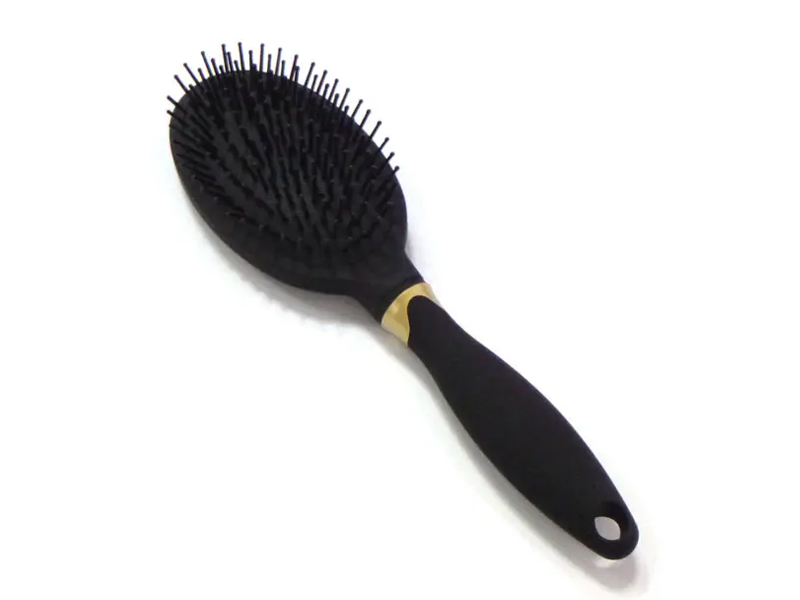
Extension Detangling Brush
Detangling Hair BrushCleaning frequency is not one-size-fits-all. Scalp condition and product use change how quickly residue builds up.
| Hair or Scalp Type | Recommended Wash | Recommended Disinfection |
| Normal, dry-application use | Once a week | Once a month |
| Oily scalp or heavy styling product use | Every 2 to 3 days | Every 2 weeks |
| Shared household or salon comb | After every use | Weekly |
| Children's combs | Every 2 to 3 days | Every 2 weeks |
Not all plastic combs age the same way. A comb with a hollow mesh spine between the teeth sheds trapped hair with far less effort than a solid-backed design, since there is no dead space for strands to lodge into. Anti-static PP or PE material also tends to attract less grease, which directly reduces how often a deep soak is needed.
This is one of the details a reputable hair brush manufacturer builds into product design from the start, rather than leaving to the user to work around. A hair brush factory that runs BSCI-certified production lines typically tests for smooth tooth polishing, low static generation, and material consistency, all of which affect how quickly oil and debris accumulate in daily use. When sourcing in bulk, working with an established hair brush supplier that can document material grade and testing standards makes it easier to guarantee hygiene performance across an entire product line, not just a single sample.
A few habits quietly reduce how effective a cleaning routine actually is:
Beyond hygiene, consistent cleaning protects the comb itself. Dried oil left on plastic over months can make teeth brittle at the base, increasing the chance of snapping during normal use. A monthly deep clean paired with dry, ventilated storage typically keeps a well-made plastic comb performing at full quality for several years, which is also the standard most manufacturers design their molds and materials around when producing for long-term retail or salon use.






Copyright © 2024 Ningbo Junyang Brushes Company.
Wholesale Hair Brush Manufacturer
OEM Hair Brush Factory
