

 English
 中文简体
中文简体
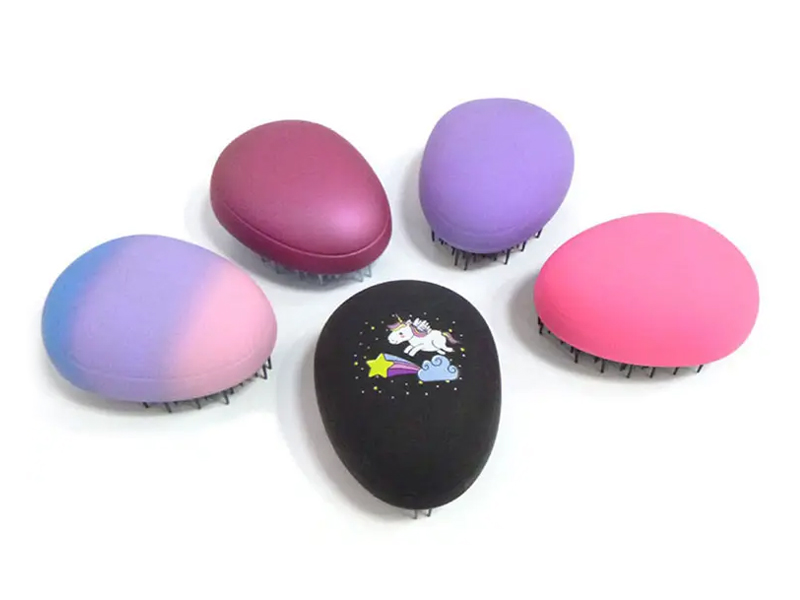
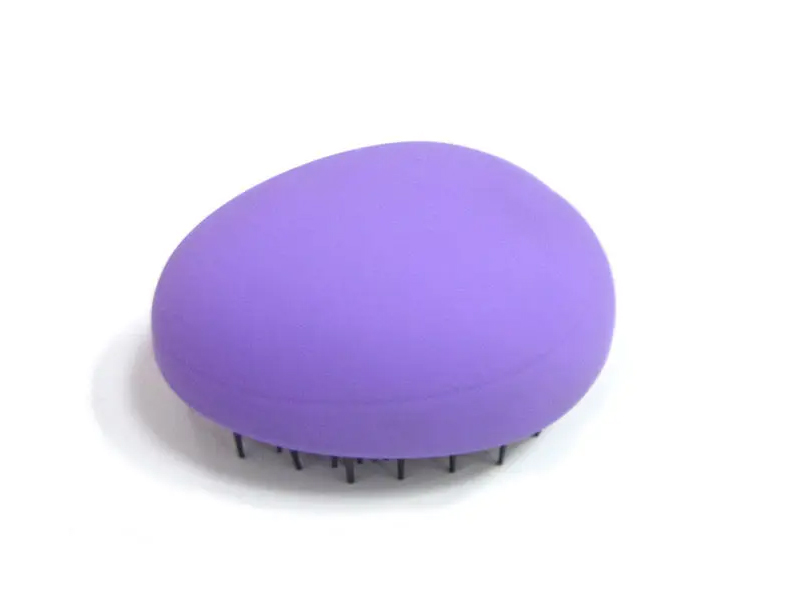
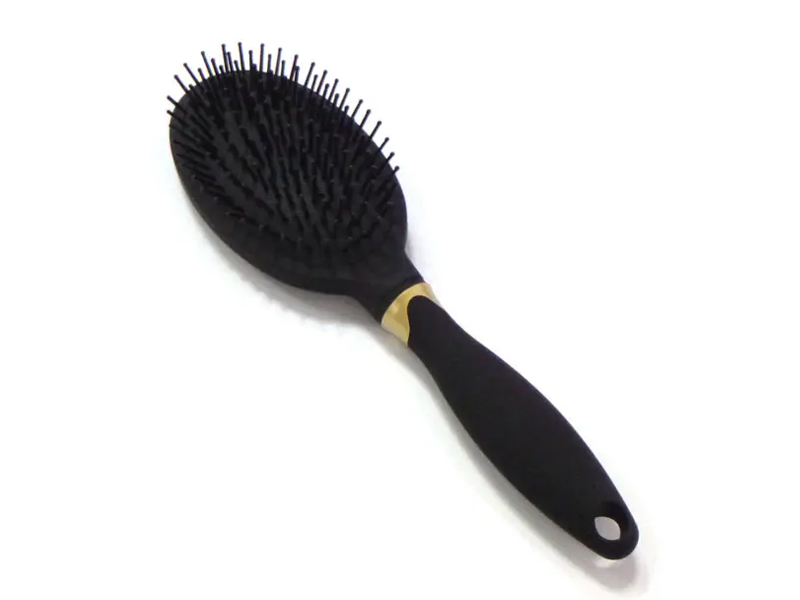
Egg Anti-static Massage Detangle Massage Comb
The Egg Anti-static Massage Detangle Massage Comb is a uniquely designed hair care tool that combines practical fun...


Content
A standard plastic hair brush is not designed for direct contact with hair dye, perm solution, or other chemical treatments. The plastic handle and bristles can stain, soften, or corrode when exposed to ammonia, peroxide, or thioglycolic acid based formulas, and the brush can transfer leftover chemical residue back onto hair during later use. For mixing, sectioning, or applying chemical products, a dedicated tail comb or chemical-resistant tool is the safer choice. A plastic brush remains an excellent option for daily detangling and styling once the hair has been rinsed and the chemical process is fully complete.
Hair dye, bleach, and perm lotion are formulated to break down the protein bonds inside the hair shaft, and that same reactive chemistry does not stop at the surface of a brush. Ammonia and peroxide can dull the surface finish of a brush handle, while thioglycolic acid used in perming can soften certain plastics over repeated exposure. Bristles made from standard nylon or polypropylene are generally fine for brief, incidental contact, but prolonged soaking or direct application is a different story.
There is also a practical hygiene concern. Once chemical residue settles into the base of the bristles or the joints of the brush head, it is difficult to fully rinse out. The next time the brush touches hair or scalp, trace chemicals can be reintroduced, which is not ideal for sensitive or freshly treated hair.
Not all plastics react the same way. The table below summarizes how the materials commonly used by a hair brush manufacturer typically respond to the chemicals involved in coloring and perming.
| Material | Reaction To Dye / Bleach | Reaction To Perm Solution | Recommended Use |
| ABS handle | Resistant to brief splashes; staining possible with prolonged contact | Generally stable for short exposure | Daily brushing, not direct application |
| PP (polypropylene) bristles | Low absorption, easy to wipe clean | Moderate resistance, may soften slightly over years of repeat exposure | Detangling, styling, scalp brushing |
| Nylon bristles | Can discolor with strong bleach over time | Generally tolerant of light contact | Daily use after rinsing is complete |
| Rubber cushion pad | Can absorb pigment and stain permanently | Can soften with repeated soaking | Keep away from direct chemical contact |
Salons and home users typically rely on different tools at the application stage of dyeing or perming, then switch back to a plastic hair brush once rinsing is finished.
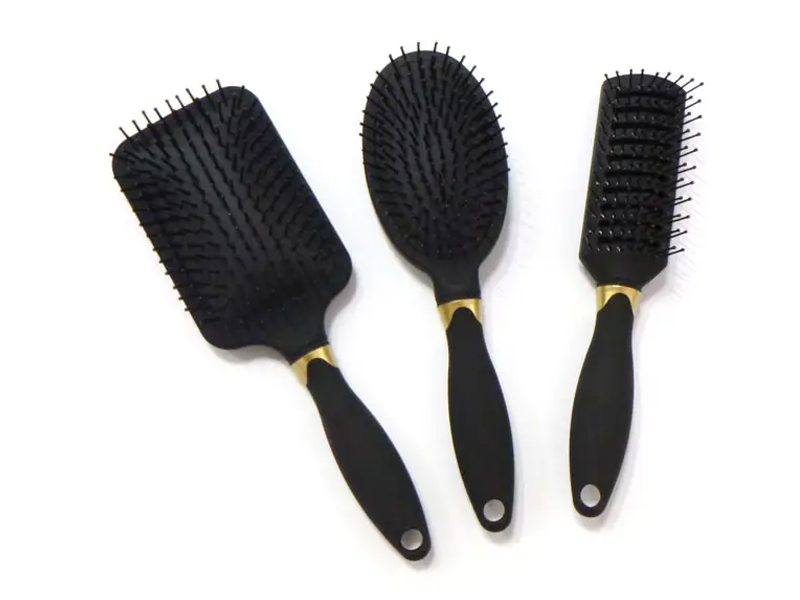
As a hair brush factory with in-house tooling and assembly, the range below shows the type of products typically requested by salons, retailers, and private label partners working with a hair brush supplier on bulk orders.
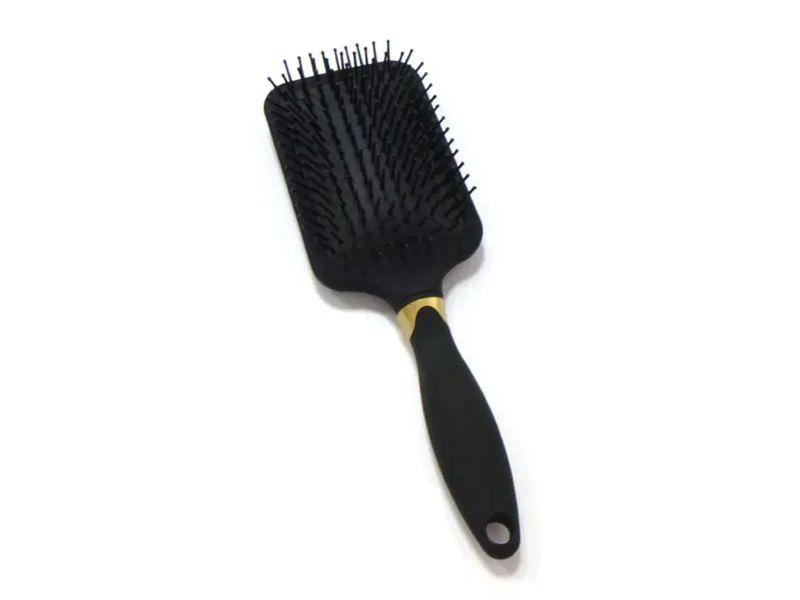
Plastic Handle Brush
Daily StylingMassage Hair Brush
Scalp CareDetangling Hair Brush
Wet & Dry HairWooden Bristle Brush
Natural MaterialSalon Tail Comb
Sectioning ToolOnce a chemical treatment is complete and hair has been rinsed and conditioned, a regular brush can go back into rotation with a few precautions.
Avoid brushing immediately after applying dye or perm lotion. Wait until the product has been completely washed out and the hair is dry or towel-dried before using a brush.
Remove trapped hair from the bristles weekly, then wash the brush head in warm water with a mild shampoo. This prevents any residual product buildup from older sessions from transferring onto newly treated hair.
Chemically treated hair is often more porous and fragile. A wide-tooth or detangling hair brush with flexible bristles reduces breakage compared with a brush with tightly packed, stiff bristles.
| Can I use a plastic brush to apply hair dye? | No. Use a tint brush or applicator bottle designed for coloring; a styling brush is not built for this purpose. |
| Will dye permanently stain a plastic brush? | Light splashes usually wipe off ABS or PP surfaces, but soft rubber pads and light-colored bristles can stain if soaked. |
| Is it safe to brush hair right after a perm? | Wait until the neutralizer has been rinsed out and hair has cooled before brushing to avoid disrupting the curl pattern. |
| How do I know if my supplier offers chemical-resistant options? | Ask the hair brush manufacturer for material specification sheets; many offer ABS or PP variants rated for salon environments. |
A plastic hair brush is built for grooming, not for mixing or applying chemical treatments. Keep dye, bleach, and perm solution away from the bristles and handle, rely on dedicated salon tools during the chemical stage, and reintroduce the brush only after rinsing is complete. For businesses sourcing in volume, working directly with an established hair brush manufacturer or hair brush factory makes it easier to specify chemical-resistant materials and consistent quality across every order.

Copyright © 2024 Ningbo Junyang Brushes Company.
Wholesale Hair Brush Manufacturer
OEM Hair Brush Factory
