

 English
 中文简体
中文简体
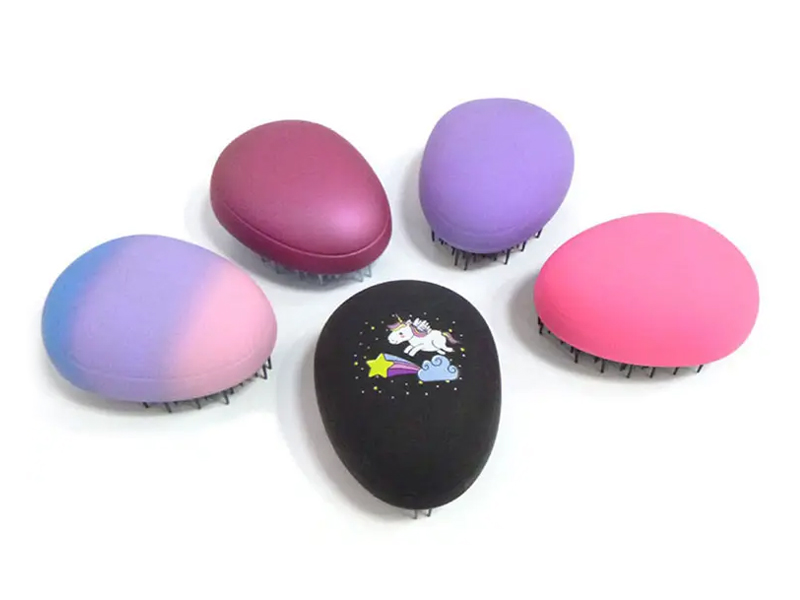
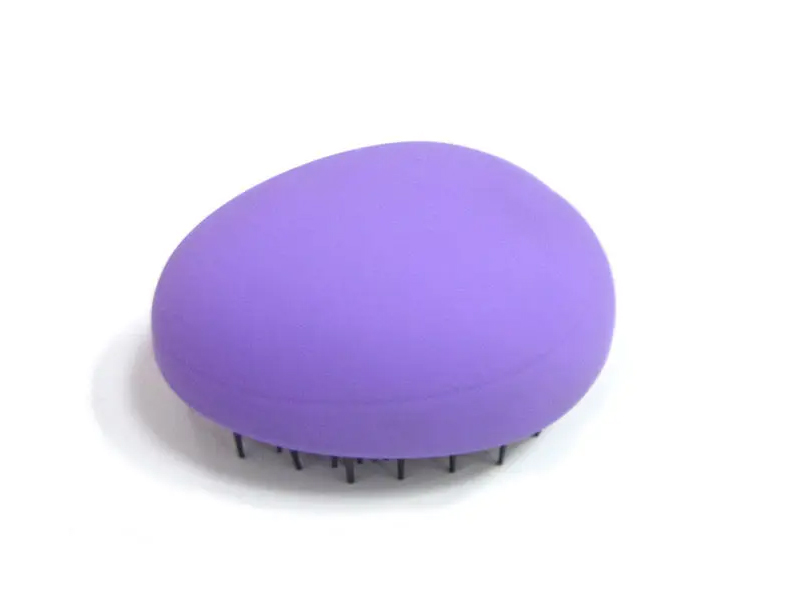
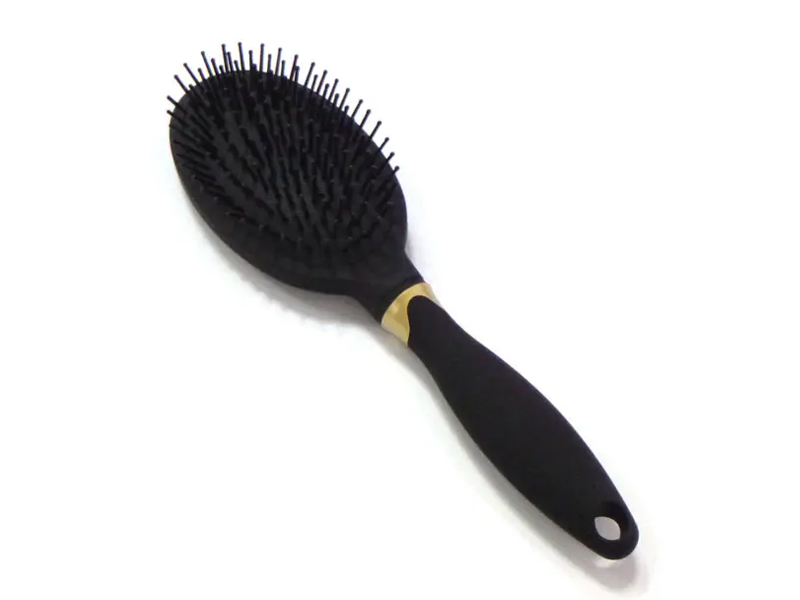
Egg Anti-static Massage Detangle Massage Comb
The Egg Anti-static Massage Detangle Massage Comb is a uniquely designed hair care tool that combines practical fun...


Content
Plastic hair combs are widely used in children's daily hair care, yet safety remains the top concern for parents. The conclusion is clear: plastic hair combs are safe for children when made from certified materials with proper design. The key factors are material grade, edge finishing, and age-appropriate construction.
The material of a children's plastic hair comb directly determines its safety. Food-grade polypropylene (PP) is currently the most mainstream choice, with the following characteristics:
Parents should check whether the product is labeled "food-grade" or "BPA-Free" when purchasing, and avoid cheap plastic products of unknown origin.
A child's scalp is approximately 30% thinner than an adult's, with more delicate hair follicles. A safe hair comb must meet the following design standards:
| Design Element | Safety Requirement | Risk Description |
|---|---|---|
| Tooth Tips | Smoothly rounded, burr-free | Sharp edges can scratch the scalp and cause infection |
| Tooth Spacing | Wide teeth preferred, spacing ≥3mm | Densely spaced teeth increase pulling force and cause hair breakage |
| Overall Weight | Lightweight, ≤50g recommended | Heavy combs increase the burden on children's grip |
| Anti-Slip Handle | Textured grip or soft rubber coating | Prone to slipping when used with wet hands |
Ordinary plastic hair combs tend to generate static electricity during use, especially in dry seasons, which can irritate a child's sensitive scalp. High-quality children's plastic combs typically incorporate anti-static formulations, reducing static buildup by over 60%. For children with sensitive skin or eczema, products that have passed dermatological testing are recommended.
Not all plastic hair combs are suitable for children of all ages:
Even with safe materials, improper maintenance can create hazards. Parents should follow this care routine:
| Maintenance Item | Frequency | Specific Method |
|---|---|---|
| Daily Cleaning | After each use | Remove residual hair with a tail comb, rinse with warm water |
| Deep Cleaning | Once per week | Soak in baking soda water or mild shampoo for 15 minutes |
| Disinfection | Once per month | Soak in 70% rubbing alcohol or white vinegar for 10 minutes, rinse and air dry |
| Replacement Check | Every 3 months | Inspect for cracked or deformed teeth; replace immediately if abnormal |
When purchasing plastic hair combs for children, parents can quickly assess product safety using these indicators:
Plastic hair combs are not inherently unsafe; the issue lies in material grade and manufacturing standards. By selecting food-grade PP combs with fine polishing and anti-static properties, combined with proper cleaning and maintenance habits, parents can provide children with a safe and comfortable hair care experience. As a hair brush manufacturer, we always advise parents to prioritize safety over low prices and choose grooming tools that are truly suitable for their children.

Copyright © 2024 Ningbo Junyang Brushes Company.
Wholesale Hair Brush Manufacturer
OEM Hair Brush Factory
