

 English
 中文简体
中文简体
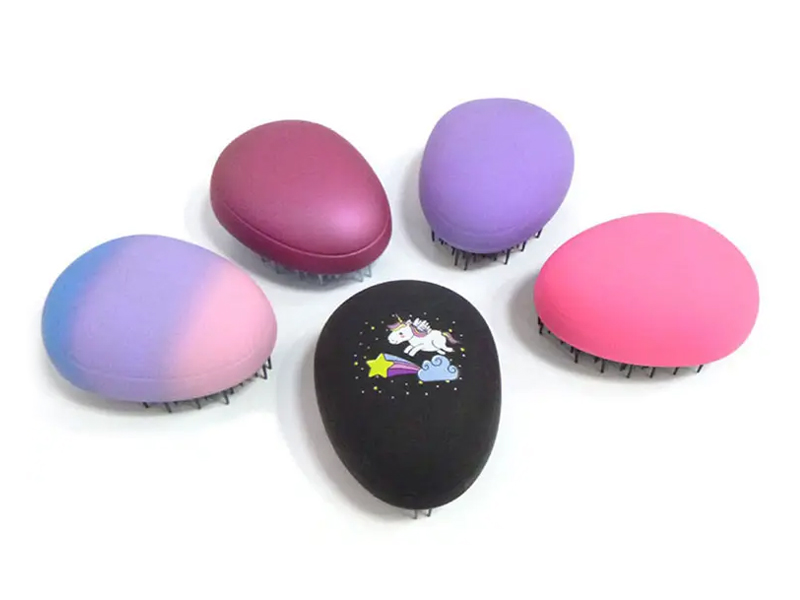
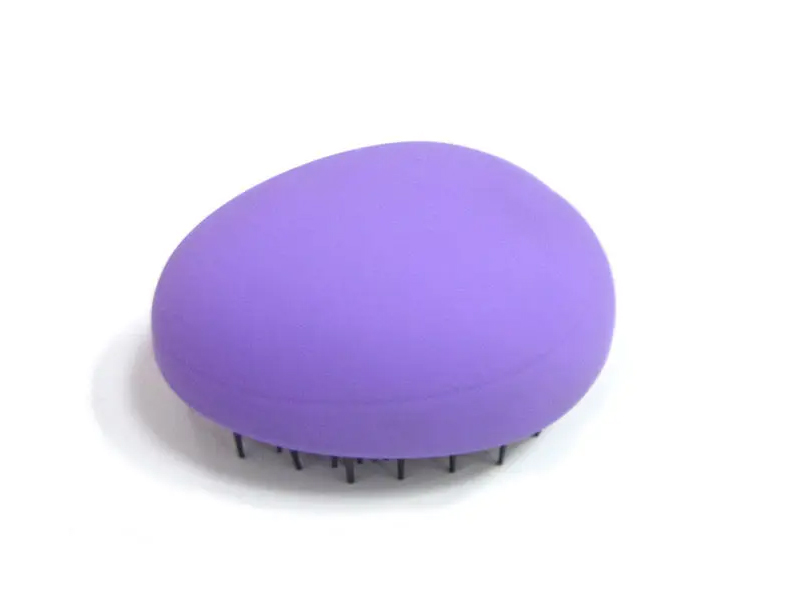
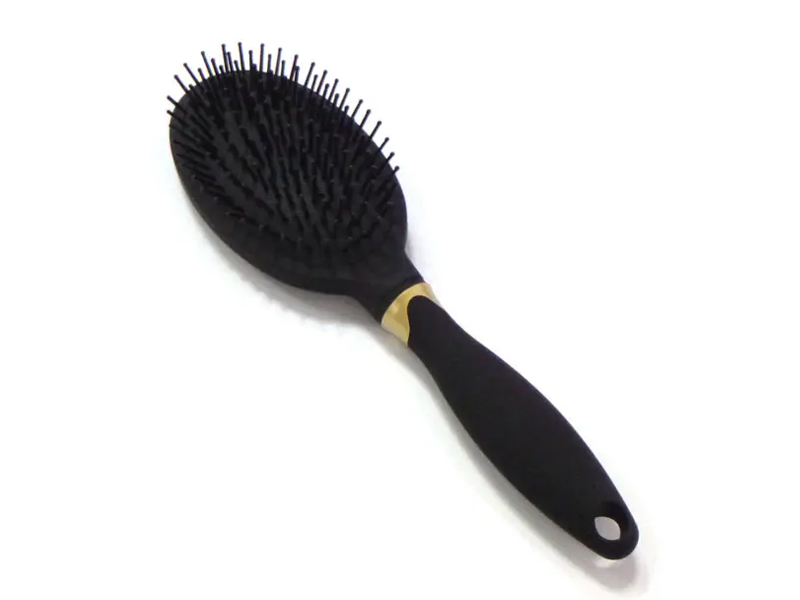
Egg Anti-static Massage Detangle Massage Comb
The Egg Anti-static Massage Detangle Massage Comb is a uniquely designed hair care tool that combines practical fun...


Content
The quickest fix is moisture and a thin layer of oil: lightly dampen the comb or your hair, or wipe the teeth with a drop of leave-in oil or anti-static spray, before you start combing. Moisture and oil both act as a conductive film that lets the electric charge drain away instead of piling up on each strand. For a fix that lasts longer than a single combing session, look for a comb molded from anti-static polypropylene (PP) or polyethylene (PE), and run a humidifier whenever indoor relative humidity drops below roughly 30 percent, which is common in heated rooms during winter. The sections below explain why the static happens in the first place, how to choose a comb that resists it, and the daily habits that keep flyaway hair from coming back.
Static builds up through simple friction. As plastic teeth slide across dry hair, electrons transfer from one surface to the other, leaving the comb and the hair with opposite charges. Strands carrying the same charge push away from each other, which is why hair seems to float or stand up right after combing. Two conditions make this worse. The first is dry air: once heating or air conditioning has run for a while, indoor relative humidity often falls into the 10 to 20 percent range, leaving almost no moisture in the air to carry the charge away, so it keeps accumulating. The second is damaged hair: heat styling, bleaching, and frequent coloring lift the outer cuticle scales, roughening the hair's surface and increasing the friction generated with every stroke. The static that makes hair frizz can also pry those cuticle scales further open, which over time contributes to breakage and a tighter, drier feel on the scalp.
These fixes work almost immediately and rarely need anything beyond what is already in a bathroom cabinet.
Not every plastic comb behaves the same way. The resin and the additive package make most of the difference in how much static a comb generates. High-density polypropylene (PP) or polyethylene (PE) blended with an anti-static masterbatch is the combination most hair brush manufacturers reach for in combs meant for daily use, because the additive forms a microscopically thin conductive path across the surface that bleeds charge away as it forms, rather than letting it build up stroke after stroke. A reputable hair brush factory will usually test this property and can report a static generation rate that sits below an industry benchmark, a figure worth asking for when a hair brush supplier is quoting a bulk order for a salon or retail brand. Tooth design matters too: wider spacing and rounded tips create fewer contact points per stroke than tightly packed, sharp-edged teeth, and a hollow or mesh-style comb body can flex slightly as it passes through hair, which further reduces drag. An anti-static plastic hair comb built on this kind of formulation is a reasonable benchmark to compare against while shopping.
| Material | Typical Static Behavior | Best Use |
| Anti-static PP or PE | Low, charge dissipates through the additive | Daily combing, travel, salon use |
| Standard PP without additive | Moderate, noticeable in dry winter months | Occasional or budget combs |
| ABS or acrylic | High, strong friction charge | Decorative combs, not ideal for daily fine-hair use |
| Cellulose acetate | Low to moderate, smoother surface | Salon-grade styling combs |
Wood has a natural edge here. As a wooden comb's teeth pass through hair, the wood tends to generate a small amount of negative ion activity, and its slightly textured surface produces less of the sharp, even friction that builds a static charge. That is also why wooden combs are often recommended for fine, color-treated, or chemically processed hair that needs gentler handling. Plastic keeps its own advantages, though: it is lighter, fully waterproof, resistant to warping, and far less expensive to produce at scale, which is why plastic combs remain the default choice for travel kits, gyms, and high-volume retail or OEM orders. With an anti-static formulation, a plastic comb closes most of the gap on static performance while keeping those practical advantages.
| Comparison | Plastic Comb | Wooden Comb |
| Static behavior | Low with anti-static PP/PE, can rise with plain plastic | Naturally low from mild ion activity and surface texture |
| Scalp and hair feel | Smooth, low friction, fast for daily combing | Micro-grooved teeth gently massage the scalp |
| Durability and care | Waterproof, corrosion-resistant, long lifespan | Needs protection from prolonged moisture to avoid warping |
| Cost at scale | Affordable in bulk, suited to OEM and retail orders | Higher unit cost, often positioned as a premium or salon item |
A single fix rarely lasts through an entire dry season, so the habits that matter most are the ones repeated every week. Clean the comb regularly: oil and product buildup between the teeth increases friction and can dull whatever anti-static coating the comb started with, so a warm wash with a mild detergent, or an occasional ten-minute soak in diluted vinegar, keeps the surface working as intended. Keep a humidifier running in bedrooms and bathrooms once indoor humidity drops below 30 percent, since that single change does more to prevent static than almost any product applied to the hair itself. A light leave-in conditioner on dry, brittle strands also helps, since conditioned hair holds more surface moisture and resists charge buildup far better than hair stripped by frequent heat styling. Finally, avoid running a comb through hair right after pulling off a wool hat or synthetic scarf; that fabric-on-hair friction often deposits the very charge the comb then has to fight.
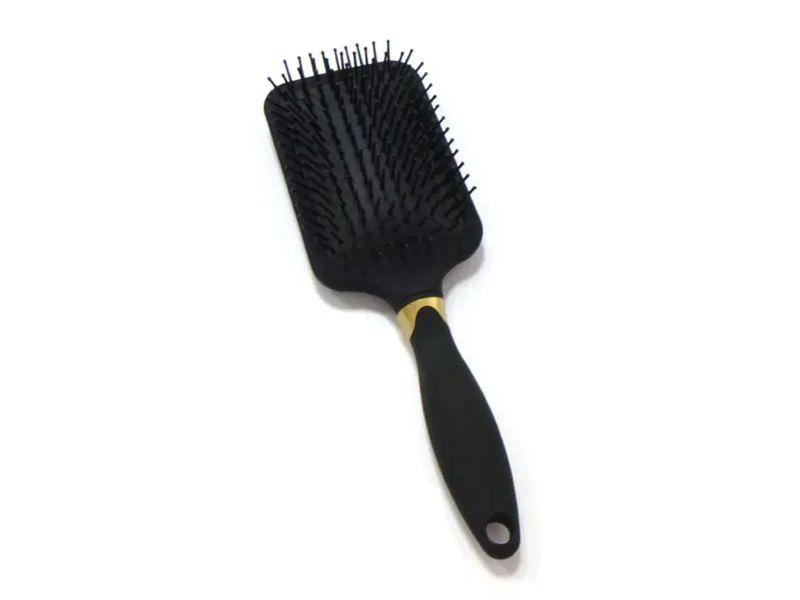
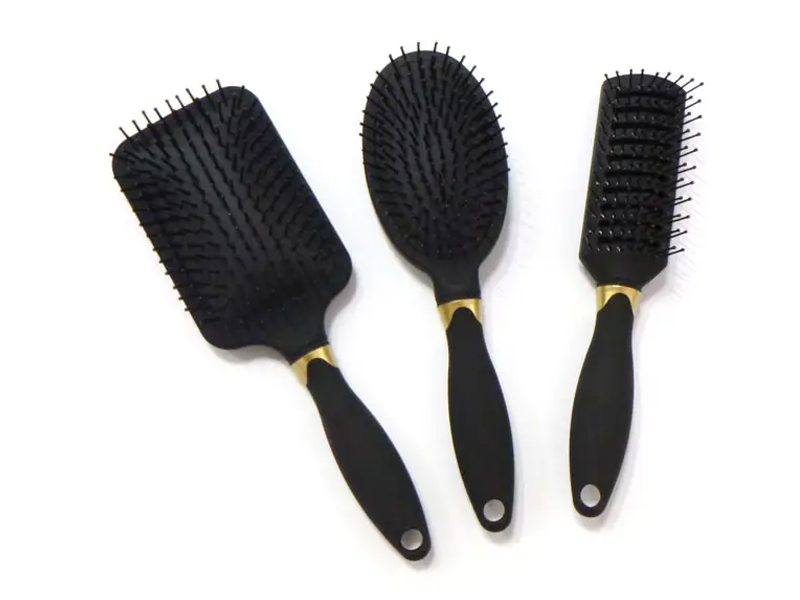
A comb is not always the right tool for every static-prone moment. A massage hair brush, with flexible nylon or silicone pins set into a cushioned base, spreads pressure across the scalp and flexes slightly with each stroke instead of dragging rigidly across the hair, which tends to generate noticeably less friction-static than a narrow, fine-tooth comb. For wet, curly, or heavily tangled hair, a detangling hair brush with widely spaced, flexible teeth glides through knots using fewer total contact points than a traditional comb, cutting down on both breakage and static at the same time. Keeping a comb for precise parting and styling, a massage brush for scalp care, and a detangling brush for wash-day knots covers most of the situations where static tends to show up, without asking a single hair brush to do every job.
Only temporarily. The moisture works as long as the hair stays slightly damp, so static tends to return once hair fully dries out again, especially in a heated room. Reapplying a light mist or a small amount of leave-in product partway through the day is normal in very dry climates.
Metal, particularly stainless steel, conducts charge away very effectively and is a common choice in professional barbering. It can feel colder and sharper against the scalp, though, and is not always the gentlest option for chemically treated or very fine hair. An anti-static plastic comb is usually a more comfortable middle ground for everyday home use.
Heating systems pull moisture out of indoor air, often dropping relative humidity into the 10 to 20 percent range, well below the 40 to 50 percent level where static struggles to build up. Combine that dry air with dry, heat-styled hair, and friction has nowhere to send the charge it generates, so it builds up on the hair shaft instead.
Static from a plastic comb is almost always a friction-and-humidity problem, which means it responds well to small, repeatable changes: a touch of moisture or oil before combing, an anti-static PP or PE comb instead of a generic one, and a humidifier running through the driest months. Anyone buying combs in volume for a salon, spa, or retail line will get the most consistent results by working with a hair brush manufacturer that can show real anti-static test data, rather than relying on the words printed on the packaging alone.

Copyright © 2024 Ningbo Junyang Brushes Company.
Wholesale Hair Brush Manufacturer
OEM Hair Brush Factory
