

 English
 中文简体
中文简体
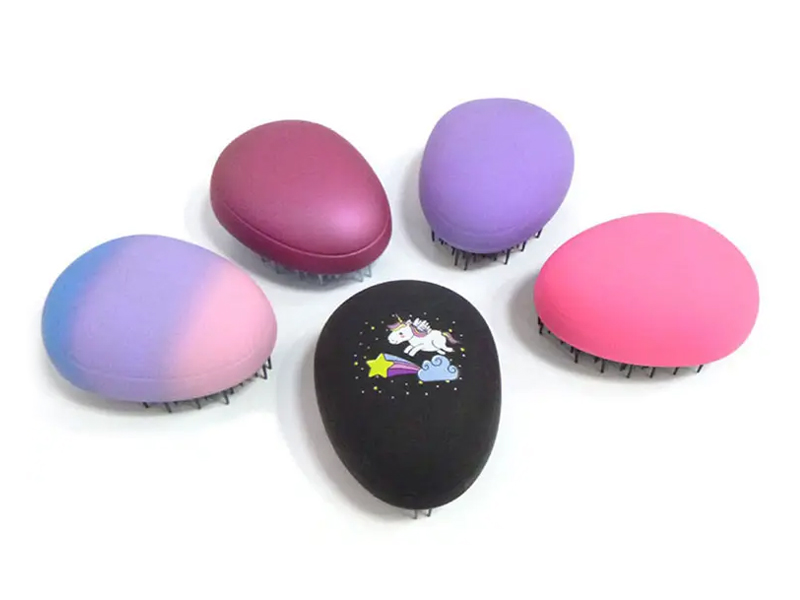
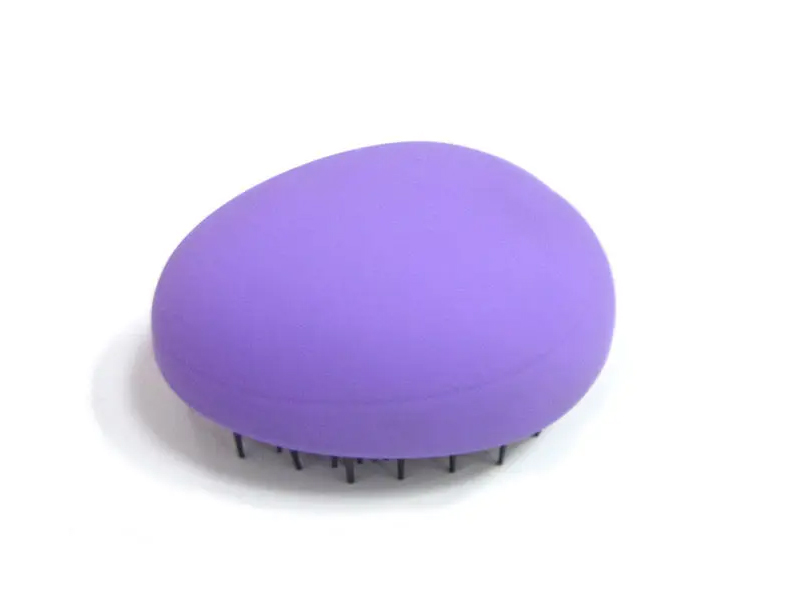
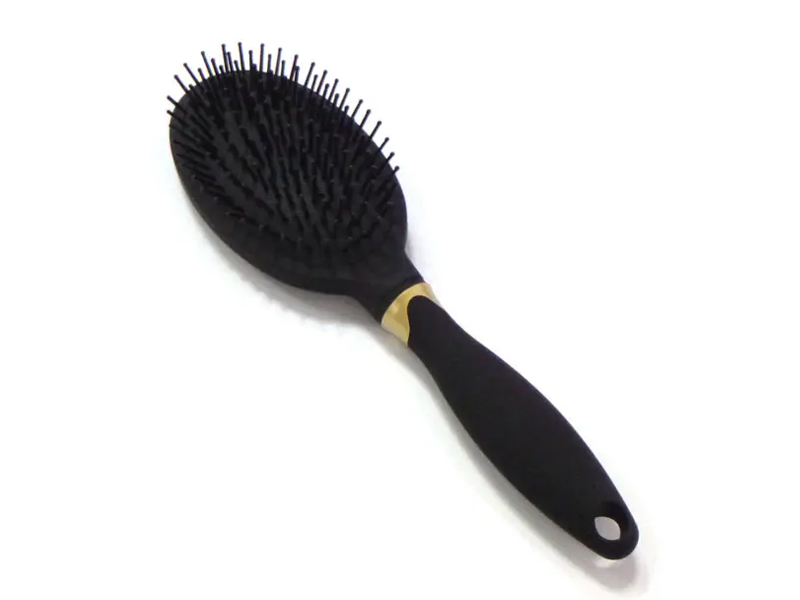
Egg Anti-static Massage Detangle Massage Comb
The Egg Anti-static Massage Detangle Massage Comb is a uniquely designed hair care tool that combines practical fun...


Content
When used correctly, a quality detangling hair brush significantly reduces hair breakage by up to 50% compared to regular brushes and stimulates the scalp to promote healthier growth. The key lies in its specialized design: flexible bristles that gently glide through knots instead of pulling and snapping the hair shaft. This makes it an indispensable tool for everyone, from children with fine, tangled hair to adults with thick, curly, or damaged textures. Manufacturers like Ningbo Junyang Brushes Company, established in 2012, have perfected this design, producing brushes that prioritize both effective detangling and gentle scalp care.
The primary advantage of a detangling brush is its ability to manage knots with minimal force. Traditional brushes often feature rigid bristles with balls on the ends that can grab and pull hair, leading to mechanical damage. A detangling brush, however, uses flexible, multi-length bristles that bend and flex as they encounter tangles. This design allows the brush to gently separate hair strands without stressing the hair follicle or cuticle.
Consider a study on hair combability: wet hair is particularly vulnerable, as it can stretch up to 30% of its original length before breaking. Using a standard brush on wet hair is a recipe for disaster. A detangling brush, often designed for both wet and dry use, minimizes this risk. The flexible bristles work like a series of tiny fingers, separating strands and smoothing the cuticle. This process not only prevents breakage but also reduces the frizz caused by rough handling.
Beyond just detangling, the design of these brushes offers profound benefits for the scalp. The gentle, springy bristles provide a soothing massage with every stroke. This action helps to increase blood circulation to the scalp. Enhanced blood flow means more oxygen and nutrients are delivered to the hair follicles, which can stimulate hair growth and improve overall follicle health. A healthy scalp is the foundation for strong, resilient hair.
The difference in scalp experience is notable. A firm, unforgiving brush can sometimes cause micro-tears or irritation, especially on sensitive scalps. The following table compares the scalp impact of different brush types.
| Table 1: Scalp Health Impact by Brush Type | |||
| Brush Type | Scalp Stimulation | Risk of Irritation | Comfort Level |
| Detangling Brush | High & Gentle | Very Low | Soothing Massage |
| Standard Paddle Brush | Moderate | Moderate | Neutral to Firm |
| Styling Brush (Round) | Low to Moderate | High (with tension) | Can be Painful |
As the table shows, the detangling brush offers the optimal balance of effective stimulation without causing discomfort or damage, a testament to the thoughtful engineering by companies in the field.
To reap the full benefits, selecting a high-quality brush is crucial. The market offers various options, from plastic to wooden brushes, each with subtle differences. A reputable manufacturer like Ningbo Junyang Brushes Company, with its 6000 square meter production area and team of 100 workers, ensures that their brushes are crafted with precision and quality control. Their BSCl certification also speaks to their commitment to ethical and safe manufacturing practices, which is an important consideration for a product used daily on your body.
When selecting a brush, whether you are looking for a wholesale purchase or a single personal item, consider these features:
By investing in a well-made detangling brush, you are investing in a simple, daily tool that actively contributes to the long-term health and beauty of your hair and scalp.

Copyright © 2024 Ningbo Junyang Brushes Company.
Wholesale Hair Brush Manufacturer
OEM Hair Brush Factory
