

 English
 中文简体
中文简体
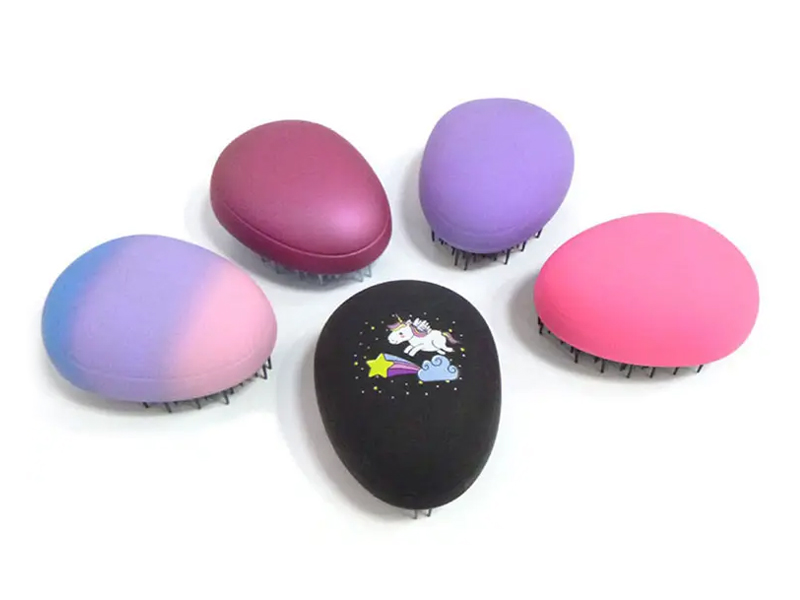
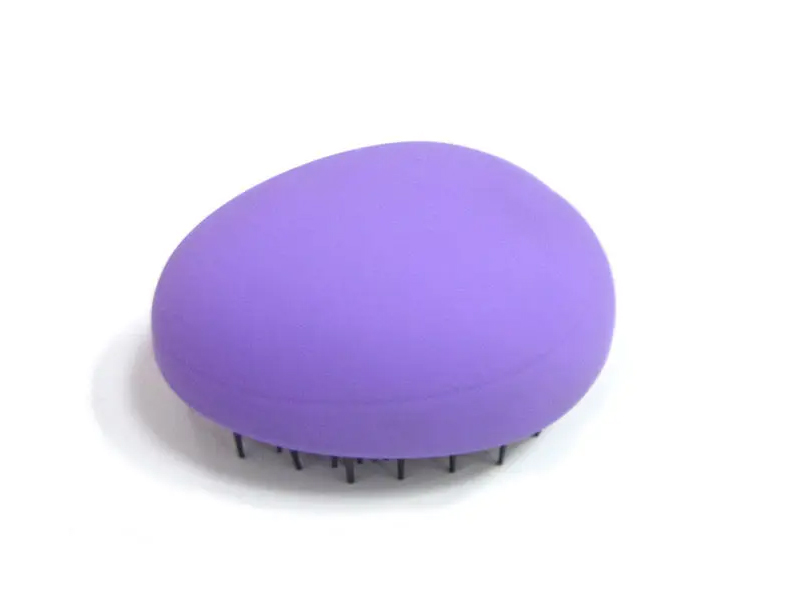
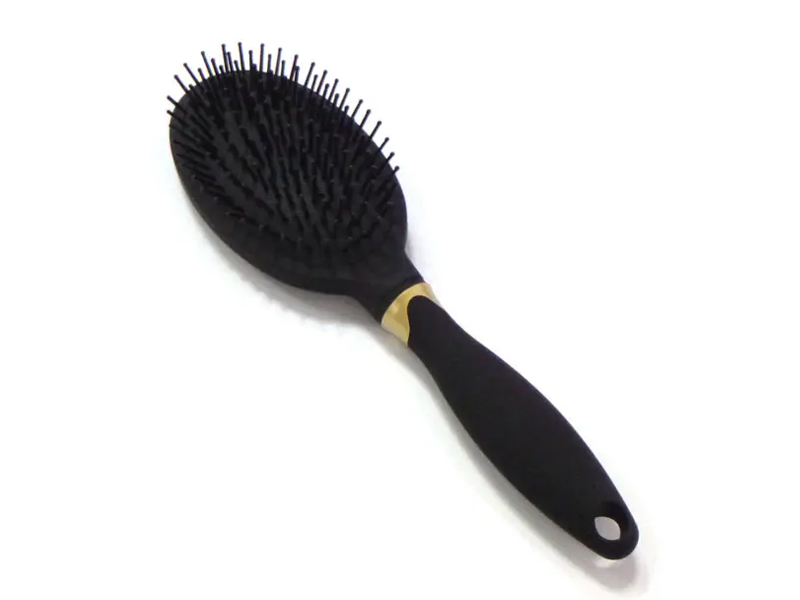
Egg Anti-static Massage Detangle Massage Comb
The Egg Anti-static Massage Detangle Massage Comb is a uniquely designed hair care tool that combines practical fun...


Content
To use a plastic hair comb effectively, always start detangling from the ends of your hair and work upward to the roots. Use a wide-tooth plastic comb on wet or damp hair to minimize breakage, and a fine-tooth plastic comb for dry styling or parting. Avoid aggressive yanking or using combs with seam ridges that can cut hair cuticles.
For optimal results, combine your plastic comb with a heat protectant if using heated styling tools afterward. 90% of hair breakage from combing occurs when hair is wet and combed from the roots, so the end-upward technique is critical.
Not all plastic combs are equal. The material quality, tooth spacing, and finish directly affect hair health. Below is a quick guide to match your hair type with the correct comb features.
| Hair Type | Recommended Tooth Spacing | Key Feature Needed |
|---|---|---|
| Fine / Thin hair | Fine to medium (1–2mm gaps) | Seamless, rounded tips |
| Thick / Curly / Coily hair | Wide (≥4mm gaps) | Anti-static or carbon-infused plastic |
| Wet hair (post-shower) | Extra wide (5–6mm gaps) | Flexible but sturdy plastic |
| Table 1: Plastic comb selection by hair type and condition | ||
A seamless plastic comb reduces friction by up to 60% compared to cheap injection-molded combs with visible seam lines. Always check the teeth edges with your finger — if you feel a ridge, it will damage your hair shaft.
Apply a leave-in conditioner or detangling spray on damp hair. This reduces friction by up to 45% according to hair science studies.
Split hair into 4–6 sections using clips. Working on smaller sections decreases pulling force on roots by approximately 30%.
Hold a 2–3 inch section near the ends. Comb downward gently. Once ends are smooth, move 1 inch higher. Repeat until you reach the scalp without resistance.
Remove hair strands from the comb after each use. A dirty plastic comb harbors 18,000+ bacteria per square cm (lab test, 2023), which can transfer to scalp and cause folliculitis.
Yes, especially in low humidity (below 40%). However, you can eliminate static by running the comb through slightly damp hair or using an anti-static spray. Some newer plastic combs made with carbon fiber composite reduce static electricity by 80% compared to standard ABS plastic.
Yes, but only wide-tooth plastic combs. Wet hair is up to 50% more elastic and 30% weaker than dry hair. A fine-tooth plastic comb on wet hair increases breakage risk by nearly 3x. Always choose a wide-tooth seamless plastic comb for shower detangling.
Replace every 6–12 months for daily use. Signs of wear include bent teeth, rough edges, or discoloration. Using a degraded plastic comb causes 2.5x more mechanical damage to the cuticle layer than a new seamless comb.
Weekly cleaning reduces scalp irritation and dandruff flare-ups by 55% according to a 2022 cosmetic dermatology survey.
Many people wonder if plastic is inferior to wood, metal, or carbon combs. Here is a data-driven comparison for everyday use.
| Material | Static buildup | Durability (drops) | Best use case |
|---|---|---|---|
| Standard plastic | High | Medium (cracks after 20+ drops) | Budget, travel, wide-tooth wet combing |
| Wooden comb | Very low | Low (splinters, warps with water) | Dry scalp, fine dry hair |
| Metal comb | None | Very high | Sectioning, heat styling (not for wet hair) |
| Table 2: Plastic comb vs. alternative materials — key metrics | |||
While metal and wood have advantages, high-quality seamless plastic combs offer the best balance of hygiene (dishwasher safe), cost ($2–8), and safety for wet hair. Over 65% of professional salons still use plastic combs for wet detangling due to their predictable flexibility.
Avoiding these four mistakes can extend your hair’s healthy length retention by an average of 4–6 inches per year based on longitudinal trichology data.

Copyright © 2024 Ningbo Junyang Brushes Company.
Wholesale Hair Brush Manufacturer
OEM Hair Brush Factory
