

 English
 中文简体
中文简体
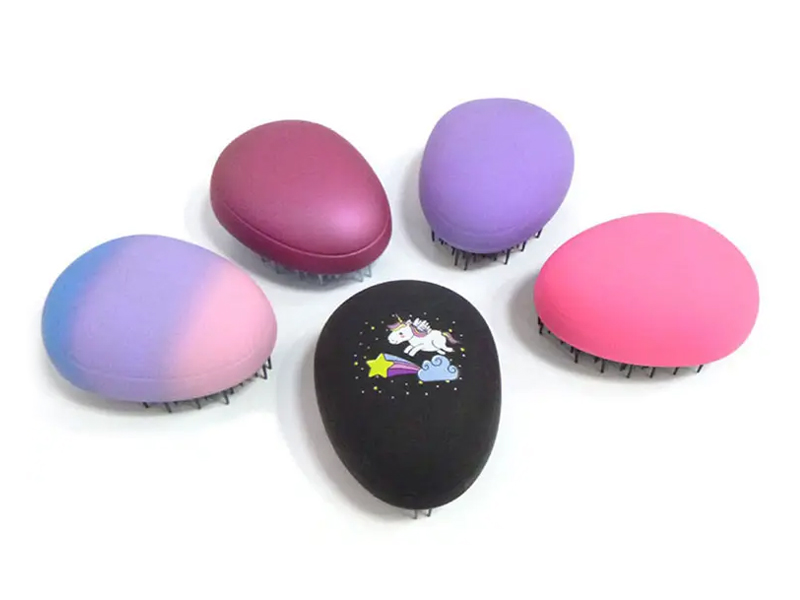
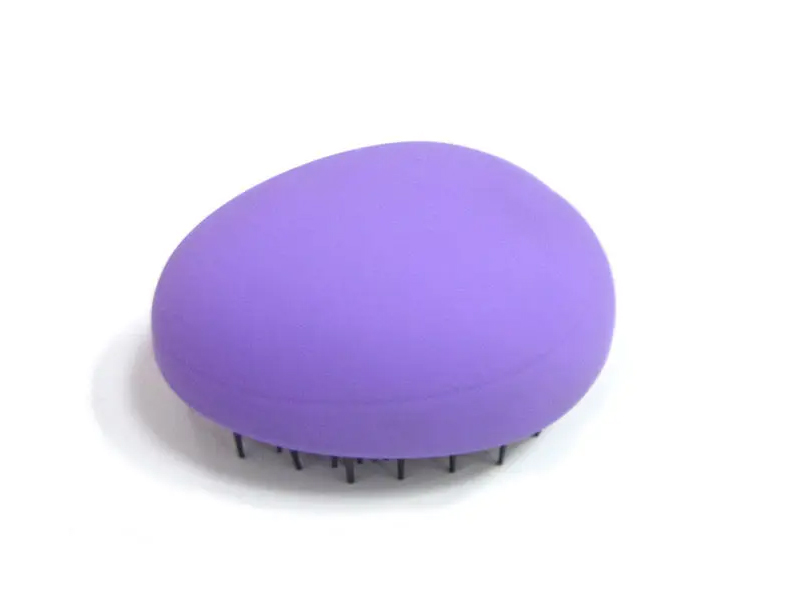
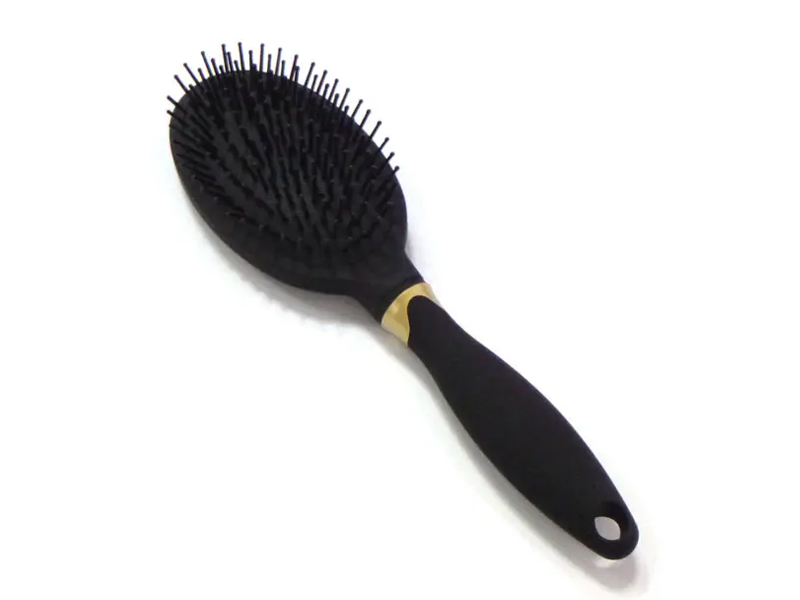
Egg Anti-static Massage Detangle Massage Comb
The Egg Anti-static Massage Detangle Massage Comb is a uniquely designed hair care tool that combines practical fun...


The Impact of Plastic Hair Comb on Hair and Correct Usage
1. Material Hardness and Tooth Design
Hardness determines the tensile strength threshold: The hardness of the plastic directly affects the gripping force of the comb teeth on the hair during combing. Materials with lower hardness are more prone to deformation under stress, causing uneven localized pulling on the hair by the tooth tips, thus increasing the probability of breakage.
Tooth Spacing and Tooth Tip Shape: Combs with too small a tooth spacing and sharp teeth create high-pressure points between the hair strands, especially in knotted areas, easily tearing up the hair cuticles, creating a "hooking" sensation, and ultimately leading to hair breakage.
Molecular Structure of Low-Quality Plastics: Inferior plastics have loosely arranged internal chains, which are prone to micro-cracks when heated or stressed, making the tooth tips sharper and further amplifying the mechanical damage to the hair during use.
Empirical Evidence: Relevant health science popularization points out that plastic combs with sharp teeth and excessively close tooth spacing can scratch the scalp and cause hair breakage due to strong pulling.
2. Static Electricity and Friction
Plastics are prone to static electricity: During combing, the friction between the plastic and hair generates static electricity. This static electricity attracts dust and oil from the air, making the hair surface sticky and rough.
Dehydration and Cuticle Damage: Static electricity draws moisture away from the hair surface, causing the cuticles to lose their lubricating layer. Hair becomes dry, brittle, and prone to breakage during subsequent combing or daily activities.
Cumulative Effects of Long-Term Use: Long-term use of plastic combs that generate static electricity can cause hair to become brittle and dry, and may even exacerbate hair loss.
Empirical Evidence: Multiple popular science articles point out that static electricity generated by plastic combs during friction can lead to dry and falling hair, and recommend avoiding their use.
3. Harmful Effects of Using Combs on Wet Hair
Reduced Elasticity in Wet Hair: When hair is wet, the fibers expand and lose elasticity, weakening its ability to withstand external forces and making it more prone to breakage.
Coefficient of Friction in Plastic Combs: Plastic has a relatively high coefficient of friction. Using it on wet hair creates greater frictional resistance, further intensifying the pulling force.
Increased risk of breakage: When wet hair comes into contact with the sharp tips of a plastic comb, the sharpness of the tips can directly cut or tear the hair strands, resulting in noticeable breakage.
Evidence: Professional hair care guidelines clearly state that using a plastic comb on wet hair can cause breakage at the ends due to decreased elasticity. It is recommended to use a comb only after the hair is completely dry.
4. Correct Combing Technique
First, manually untangle: Before combing, gently separate any knots at the ends of your hair with your hands to avoid pulling the knots directly with the comb teeth.
Comb from mid-lengths to roots: Start from the mid-lengths of your hair and gradually move towards the roots, distributing the pressure evenly to reduce impact on the roots.
Choose the appropriate tooth shape: Using a plastic comb with rounded tips or wide-spaced teeth reduces concentrated pressure on individual hair strands and minimizes static electricity generated by friction.
Use gentle movements: Each combing motion should be gentle and steady, avoiding rapid, forceful pulling to prevent mechanical damage to the hair cuticles.

Copyright © 2024 Ningbo Junyang Brushes Company.
Wholesale Hair Brush Manufacturer
OEM Hair Brush Factory
