

 English
 中文简体
中文简体
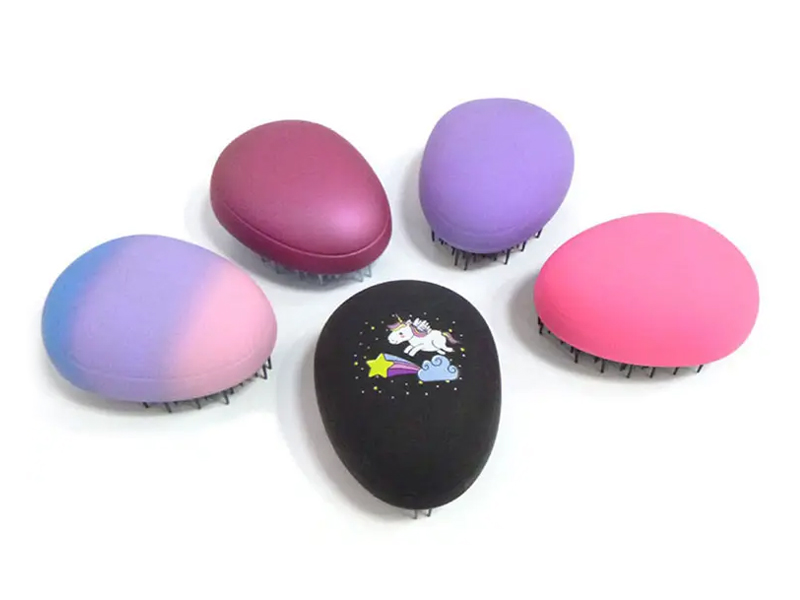
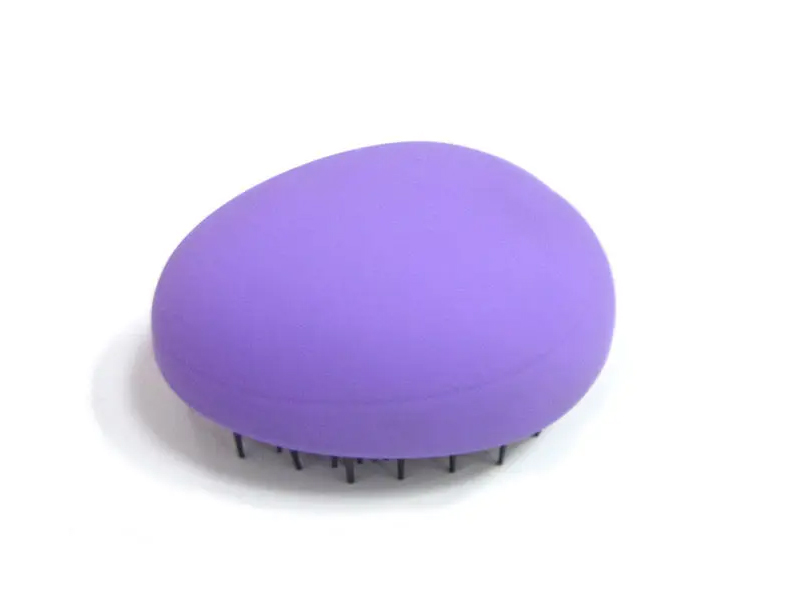
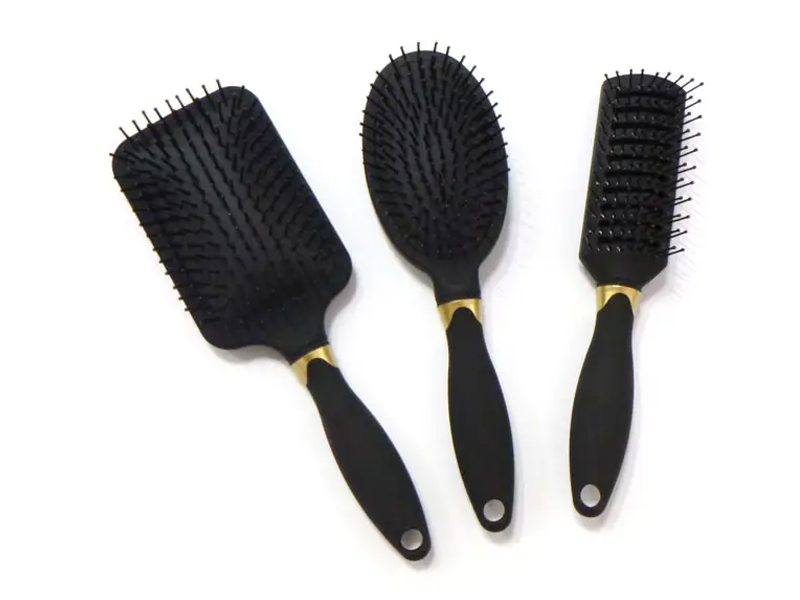
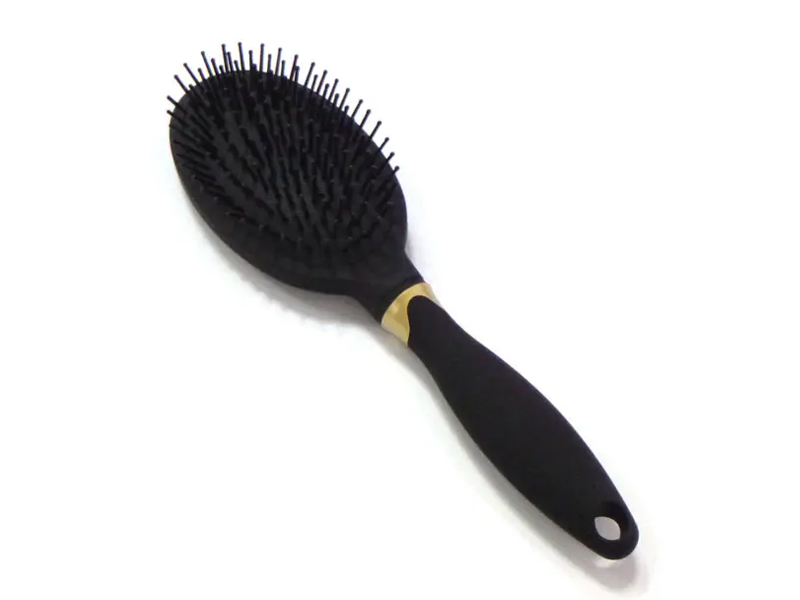
Egg Anti-static Massage Detangle Massage Comb
The Egg Anti-static Massage Detangle Massage Comb is a uniquely designed hair care tool that combines practical fun...


Content
For individuals with curly hair, the direct criteria for choosing a long-handle massage brush are: wide tooth spacing, ball-tipped elastic bristles, and a high-rebound air cushion. Due to its unique spiral structure, curly hair is prone to physical interlocking. Traditional fine-tooth or rigid brushes tend to forcibly break these locks, leading to breakage and loss of curl definition. An ideal massage brush should allow hair clumps to pass through via loose spacing while utilizing rounded bristle tips to slide smoothly through tangles, achieving the dual effect of scalp massage and hair smoothing without ruining the style.
To choose the right brush, one must first understand why curly hair is a "disaster zone" for tangles. From a hair anatomy perspective, the cross-section of curly hair is usually oval or flat, meaning its cuticles are not as evenly distributed as those of straight hair. When the hair strand bends, the outer cuticles open slightly, significantly increasing the friction coefficient between strands.
Specific Data Support: Research indicates that the friction coefficient of curly hair in a dry state is approximately 35% higher than that of straight hair. If humidity increases, curly hair absorbs moisture and swells, further increasing surface roughness and causing the probability of tangles to grow geometrically. Furthermore, curly hair often suffers from uneven oil distribution, as natural sebum has difficulty traveling down the curved shaft to the ends. Therefore, a long-handle massage brush capable of "detangling" and "distributing oils" is a necessity, not a luxury.
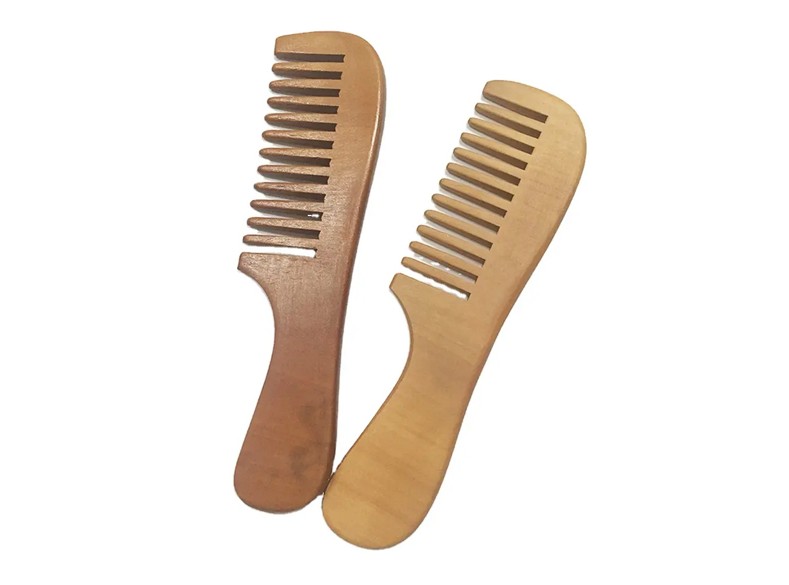
Bristles are the parts in direct contact with the hair, and their material determines detangling efficiency. Common materials for long-handle brushes each have their strengths:
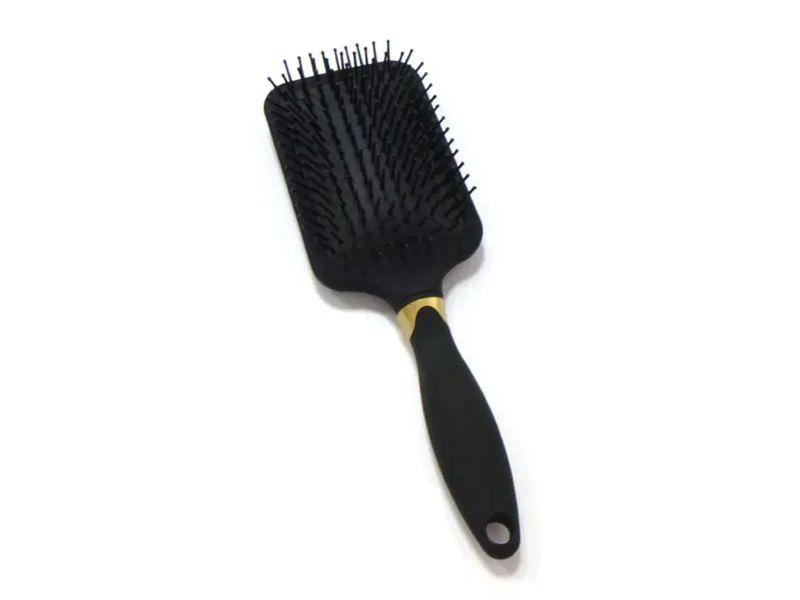
The core of a massage brush lies in its "breathability." High-quality cushions release air evenly through a vent. For curly hair, the cushion firmness should be moderate. An ideal cushion should support bristles to penetrate the hair but deform visibly when encountering over 0.5kg of tension to offset vertical pulling force.
A long-handle design is not just for comfort; it physically extends the lever arm. This allows users to reach the back of the head and lower back without overextending their arms, providing better control to avoid forced pulling compared to handle-less brushes.
| Curl Type | Suggested Configuration | Core Advantage |
|---|---|---|
| Wavy/Loose Curls | Large Square Cushion Brush | Maintains volume and definition |
| Spiral/French Curls | High-Elastic Ball-Tip Nylon | Deep penetration and efficient detangling |
| Coily/Kinky Curls | Wide-Tooth Wood Bristles | Anti-static and reduces frizz |
| Table 1: Selection Matrix for Long-Handle Brushes Based on Curl Intensity | ||
The correct logic is: start from the bottom and move up. Detangle the bottom 5cm of each section first. This method reduces pulling force by more than 60%.
Hair tensile strength is lowest when wet. If you must brush, apply a hair oil first and use a very wide-spaced long-handle brush, letting the cushion float to protect wet hair from stretching.
In a hair care routine, choosing the right long-handle massage brush is choosing a gentler way to communicate with your hair. Reducing breakage is effectively increasing hair volume, and reducing friction is enhancing shine. Investing in a brush with a high-elastic cushion, ball-tipped bristles, and a comfortable grip is the most worthwhile detail for any curly-haired individual.

Copyright © 2024 Ningbo Junyang Brushes Company.
Wholesale Hair Brush Manufacturer
OEM Hair Brush Factory
