

 English
 中文简体
中文简体
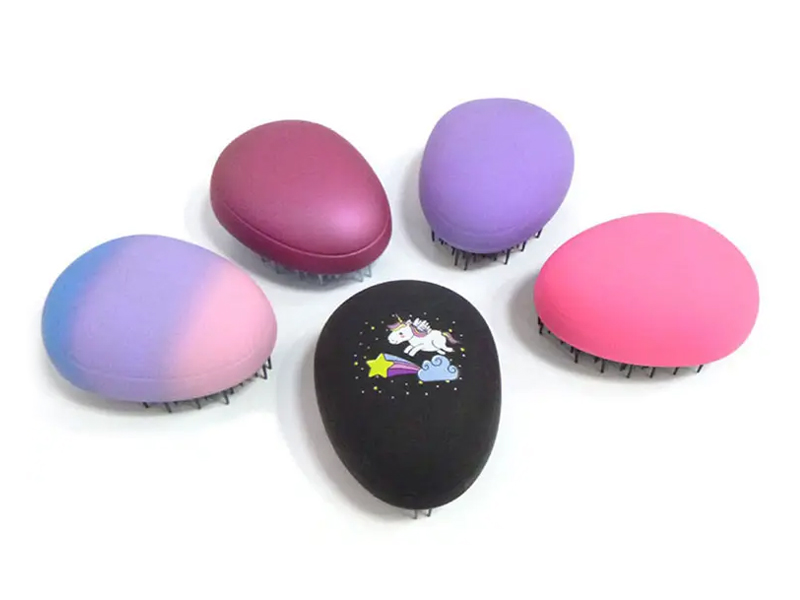
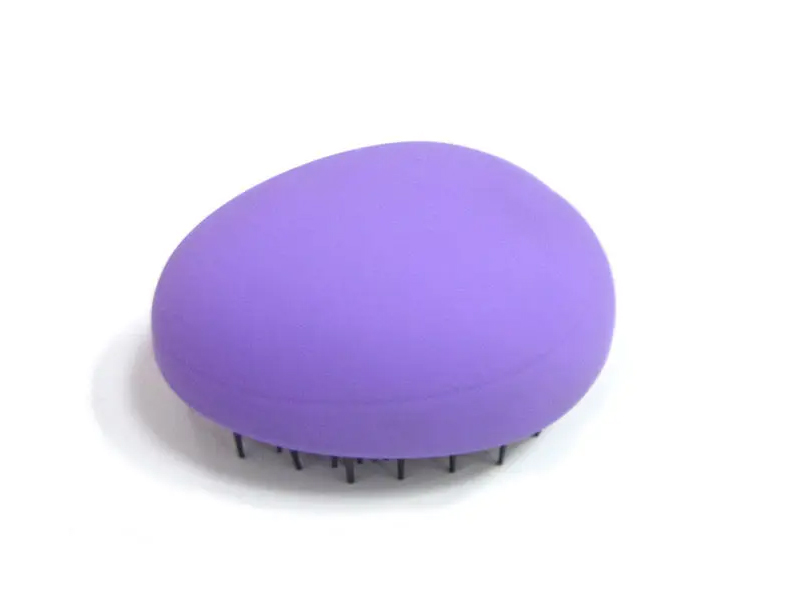
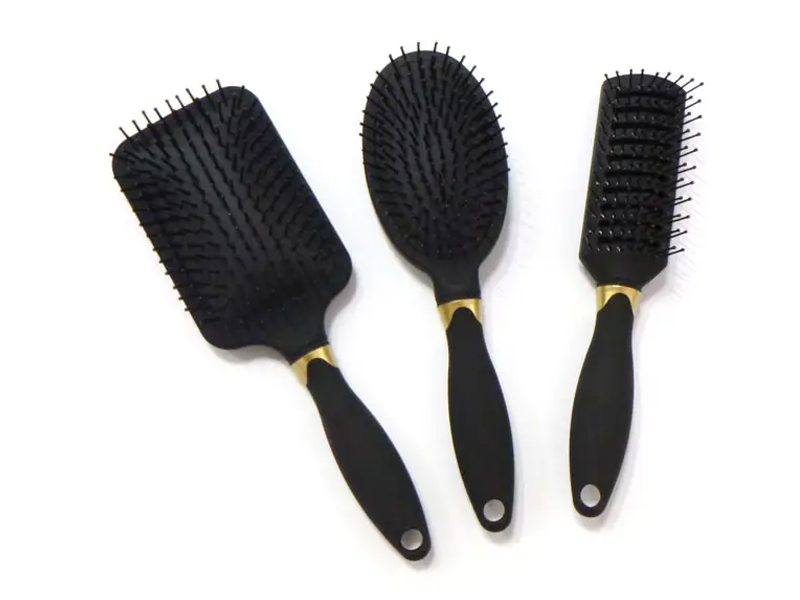
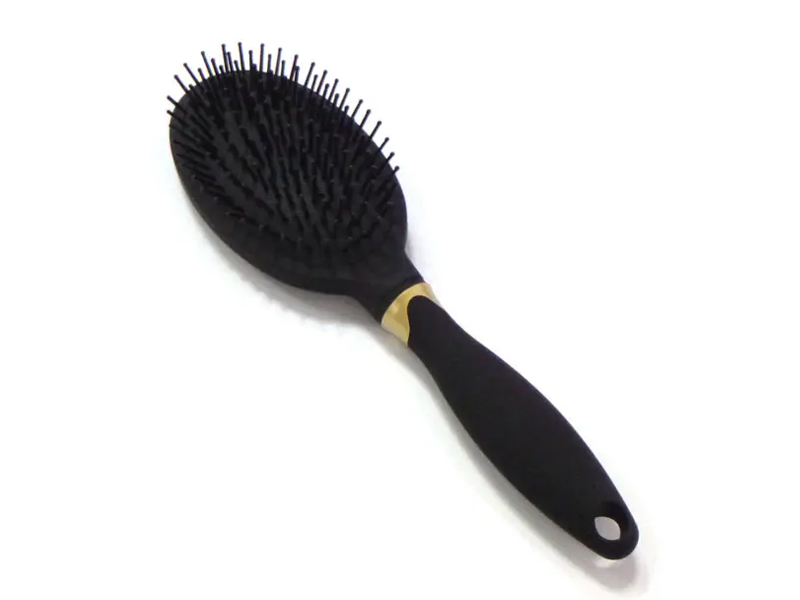
Egg Anti-static Massage Detangle Massage Comb
The Egg Anti-static Massage Detangle Massage Comb is a uniquely designed hair care tool that combines practical fun...


Content
A detangling hair brush is an essential tool for minimizing breakage and maintaining hair health. The key to choosing the right one lies in matching the bristle type and brush design to your specific hair texture—flexible nylon bristles work best for wet, fragile strands, while mixed boar and nylon configurations excel at distributing natural oils and smoothing the cuticle on dry hair.
Not all hair brushes are created equal. A dedicated detangling brush differs from standard styling brushes primarily through its bristle engineering. According to professional stylists, the bristles on a detangling brush are significantly more flexible, allowing them to bend when they encounter a knot rather than pulling the hair out or causing mid-shaft breakage.
The most effective detangling brushes feature bristles that are not only flexible but also strategically spaced. Wider spacing prevents strands from snagging, while ball-tipped ends protect the scalp and reduce friction against the hair cuticle. Testing shows that brushes with IntelliFlex bristles or similar flexible nylon compounds can remove knots in wet hair within two to three passes without generating static or frizz.
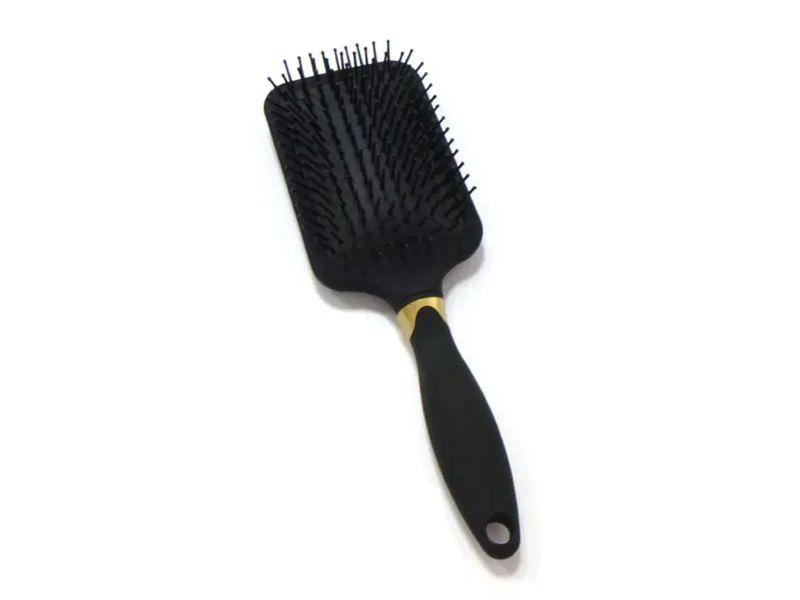
An ergonomic handle prevents hand fatigue during extended detangling sessions, particularly for individuals with thick or long hair. Paddle-shaped brushes cover a larger surface area per stroke, making them efficient for dense hair, while compact oblong shapes offer better maneuverability around the nape and crown.
The material composition of a detangling brush directly impacts its performance, durability, and suitability for different hair conditions. Here is a comparative overview of the most common bristle materials:
| Material | Best For | Key Benefits | Considerations |
|---|---|---|---|
| Nylon / Synthetic | All hair types, wet detangling | Highly flexible, waterproof, glides through knots | Does not distribute scalp oils as effectively as natural bristles |
| Boar Bristle | Fine, dry, or sensitive hair | Distributes natural sebum, smooths cuticle, adds shine | Not suitable for wet use; requires regular cleaning |
| Dual-Bristle (Boar + Nylon) | Thick, textured, or long hair | Combines detangling power with oil distribution | Higher maintenance; premium construction needed for durability |
| Plant-Based PLA | Eco-conscious users, curly hair | Biodegradable, gentle on curls, reduces frizz | May lack the rigidity needed for extremely thick or coily textures |
| Metal | Extremely knotted or coarse hair | Maximum durability, effective on stubborn tangles | Can feel harsh on the scalp; not recommended for fine hair |
| Comparison of common detangling brush bristle materials and their ideal use cases | |||
When selecting a material, consider your primary use case. For instance, if you predominantly detangle in the shower, a waterproof nylon or PLA bristle is optimal. For daily dry brushing to enhance shine, boar bristle or a dual-bristle hybrid provides superior cuticle-smoothing benefits.
Hair texture and density dictate which brush design will perform best. Using an incompatible tool can result in increased breakage, scalp irritation, or ineffective detangling.
Fine hair is structurally fragile and prone to breakage. Brushes with widely spaced, thin, and highly flexible bristles are essential. Testing indicates that tools with bristles spaced farther apart reduce snagging and minimize fallout. Look for brushes specifically designed with ball-tipped, flexible bristles that glide rather than tug.
Thick hair requires a brush with substantial grip and durability. A dual-bristle design or a dense nylon configuration with a large paddle can handle larger sections efficiently. A significant finding from consumer testing reveals that brushes with air-cushioned paddles and firm bristles detangle thick hair quickly, though they may require slightly more pressure against the scalp.
For curl types ranging from 3A to 4C, detangling is most safely performed on wet hair with conditioner. Brushes with nine or more rows of flexible, waterproof bristles are ideal because they allow curls to clump together, enhancing definition while removing knots. Experts recommend holding the brush vertically so the bristles align in a straight line, which prevents re-tangling during the process.
Wavy hair sits between straight and curly textures, often experiencing frizz and intermittent tangling. A brush with two-tiered bristles—where longer bristles detangle and shorter bristles smooth the cuticle simultaneously—produces the best results. This design reduces frizz and flyaways in a single step.
The debate over wet versus dry detangling depends largely on hair texture. Scientifically, hair is more fragile when wet because hydrogen bonds in the hair shaft are temporarily broken, making strands more elastic and prone to snapping. However, for curly and coily textures, dry brushing can disrupt curl patterns and cause excessive frizz.
Regardless of texture, the universal technique is to start at the ends and work upward toward the roots. This prevents compacting knots and reduces tension on the scalp.
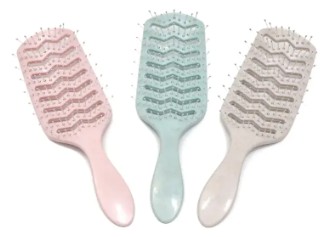
A detangling brush requires regular maintenance to remain hygienic and effective. Product buildup, dead skin cells, and loose hair can accumulate at the base of the bristles, reducing flexibility and potentially reintroducing residue onto clean hair.
Professionals recommend washing your detangling brush once per week using mild antibacterial soap and warm water. Remove trapped hair after each use to prevent bacterial growth and maintain optimal bristle movement.
Even high-quality brushes have a finite lifespan. Key indicators that replacement is necessary include:
A detangling hair brush is not merely a cosmetic accessory but a functional tool that directly impacts hair integrity. The right brush reduces mechanical damage, distributes natural oils, and can even stimulate scalp circulation when used with consistent, gentle strokes. By aligning the bristle material and brush architecture with your specific hair type—and adhering to proper maintenance protocols—you transform a daily chore into a protective ritual that supports long-term hair health.

Copyright © 2024 Ningbo Junyang Brushes Company.
Wholesale Hair Brush Manufacturer
OEM Hair Brush Factory
