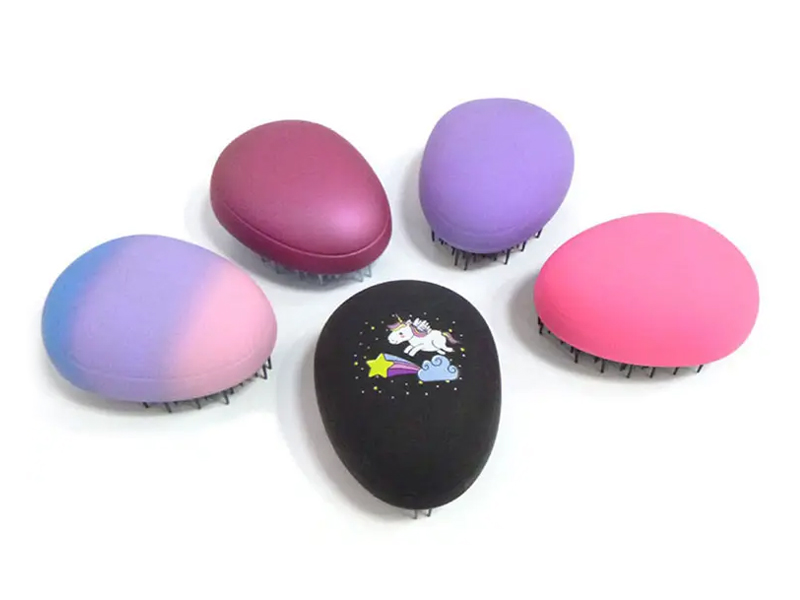
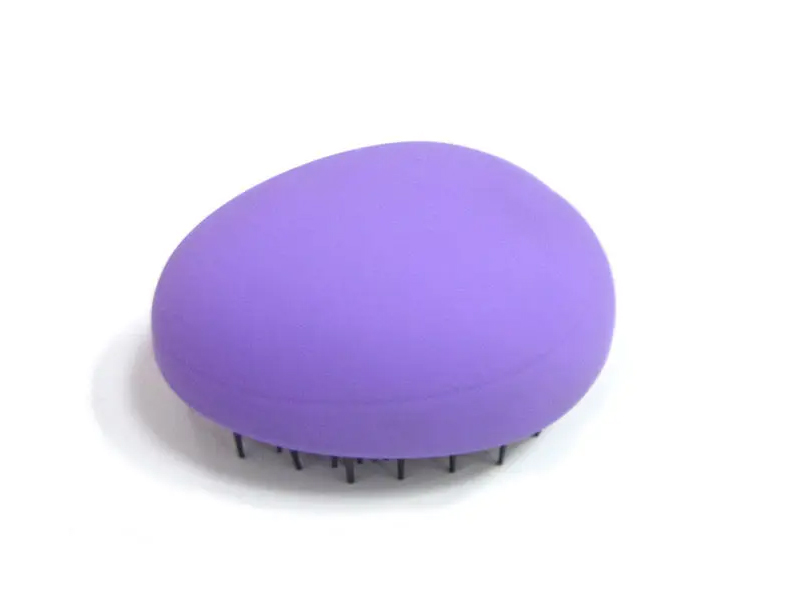
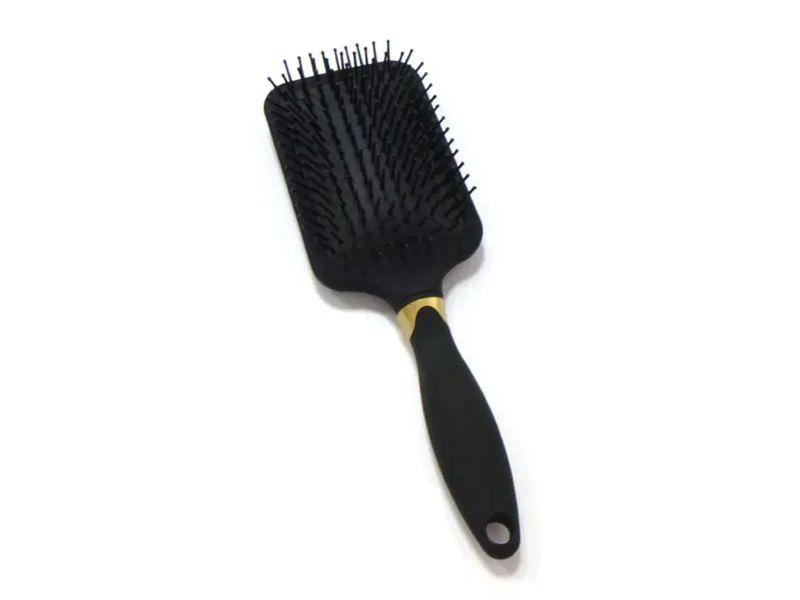
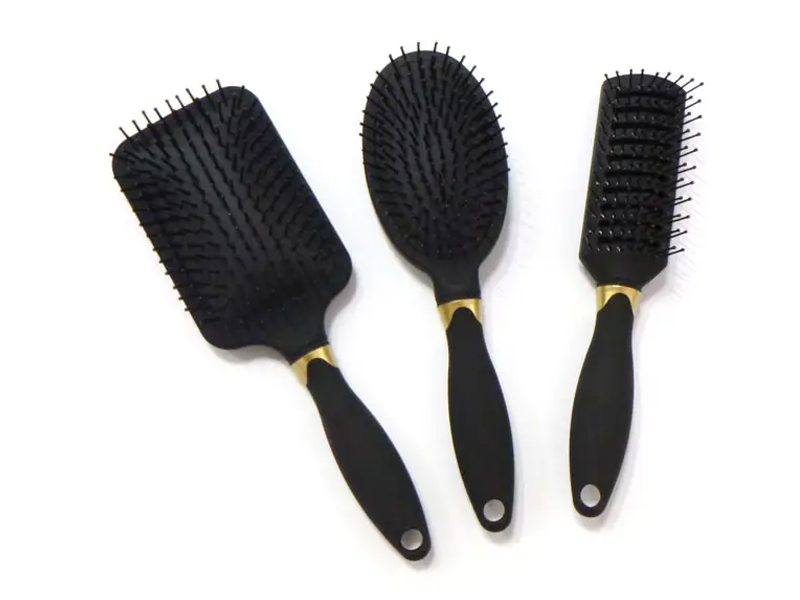
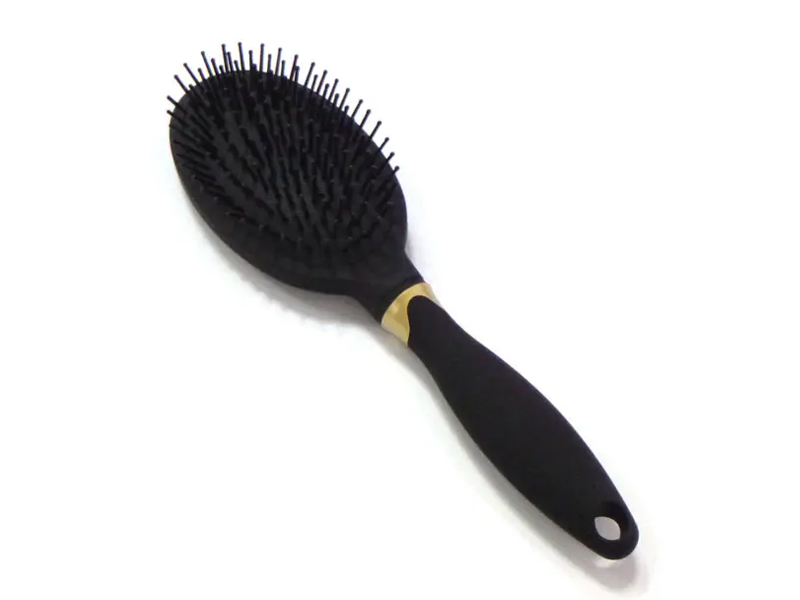
The Massage Hair Brush has become an essential grooming tool for both everyday hair care and scalp health. Beyond styling, these brushes are designed to stimulate the scalp, increase blood circulation, and reduce tension. A crucial factor that determines the effectiveness and comfort of a Massage Hair Brush is the choice of materials used in its construction. Understanding these materials can help consumers make informed decisions when selecting a brush that suits their hair type and scalp needs.
Handle Materials
The handle of a Massage Hair Brush plays a significant role in user comfort and durability. Common handle materials include:
1. Wood
- Types: Beechwood, bamboo, sandalwood, and oak are frequently used.
- Benefits: Wooden handles provide a natural, warm feel and excellent grip. They are durable and eco-friendly, often preferred by consumers looking for sustainable grooming tools.
- Considerations: Wooden handles may require more maintenance, such as occasional oiling, to prevent cracking.
2. Plastic
- Types: ABS plastic, polypropylene, and polycarbonate.
- Benefits: Plastic handles are lightweight, resistant to water, and often available in various colors and shapes. They are easy to clean and generally more affordable than wood.
- Considerations: Lower-end plastics may feel cheap or break more easily under pressure.
3. Metal
- Types: Aluminum, stainless steel, and alloy metals.
- Benefits: Metal handles offer durability and a modern, sleek appearance. They can provide a heavier brush for those who prefer a more substantial feel.
- Considerations: Metal can be slippery when wet and may be cold to the touch.
Bristle Materials
The bristles are arguably the most critical component of a Massage Hair Brush because they directly interact with the scalp and hair. Bristle materials can significantly influence hair health, comfort, and the overall massage effect.
1. Natural Bristles
- Types: Boar hair, horsehair, and mixed natural bristles.
- Benefits: Natural bristles are soft, flexible, and gentle on hair. They help distribute natural oils from the scalp along the hair shaft, adding shine and reducing frizz. Boar bristles, in particular, are known for their massaging effect on the scalp.
- Considerations: Natural bristles can be expensive and may not suit very thick or curly hair as effectively as synthetic bristles.
2. Synthetic Bristles
- Types: Nylon, TPE (thermoplastic elastomer), and silicone.
- Benefits: Synthetic bristles are highly durable, water-resistant, and easier to clean. They are often designed with rounded tips to enhance scalp stimulation without causing discomfort.
- Considerations: Some synthetic bristles may not distribute scalp oils as effectively as natural bristles, but they excel in detangling and managing thick or wet hair.
3. Hybrid Bristles
- Composition: A combination of natural and synthetic bristles.
- Benefits: Hybrid brushes aim to provide the best of both worlds—softness and oil distribution from natural bristles, combined with durability and detangling ability from synthetic bristles.
- Considerations: Hybrid brushes can be more expensive, but they are versatile and suitable for most hair types.
Cushion Materials
The bristle cushion or pad in a Massage Hair Brush provides flexibility and allows the bristles to move independently, enhancing comfort and massage efficiency.
- Rubber: Offers a soft, springy feel. Rubber cushions absorb pressure, preventing scalp irritation.
- Silicone: Flexible, durable, and easy to clean. Silicone cushions are ideal for sensitive scalps and wet hair use.
- Foam: Lightweight and soft but may wear out faster over time. Often used in budget-friendly models.
Frame Materials
The frame or body of the Massage Hair Brush holds the handle, cushion, and bristles together. Common frame materials include:
- Plastic: Lightweight, affordable, and resistant to water.
- Wood: Adds natural aesthetics and sturdiness.
- Metal: Provides strength and longevity, though it may add weight.
Comparing Materials for Different Hair Types
Choosing the right Massage Hair Brush depends heavily on hair type and scalp sensitivity:
- Fine or thin hair: Natural bristles with a soft rubber cushion prevent breakage and provide gentle massage.
- Thick or curly hair: Nylon or TPE synthetic bristles help detangle efficiently without pulling hair excessively.
- Sensitive scalp: Soft silicone bristles and cushions reduce irritation while still stimulating blood circulation.
- Oily hair: Mixed bristles (natural and synthetic) help distribute oils evenly while managing volume.
Environmental Considerations
Materials also impact environmental sustainability:
- Wood: Biodegradable and renewable, but sourcing should be certified (e.g., FSC-certified wood).
- Plastic: Non-biodegradable; look for recycled or recyclable options.
- Metal: Recyclable but requires more energy for production.
- Natural bristles: Biodegradable but may involve animal products.
Frequently Asked Questions (FAQ)
1. Are natural bristles better than synthetic ones?
Natural bristles excel at distributing scalp oils and providing a soft massage, while synthetic bristles are more durable and better for detangling thick or wet hair. The choice depends on hair type and personal preference.
2. Can a wooden handle improve the massage experience?
Yes. Wooden handles offer a comfortable, warm grip and reduce fatigue during brushing. They also add a premium aesthetic to the brush.
3. Are silicone bristles safe for sensitive scalps?
Absolutely. Silicone bristles are soft, flexible, and ideal for sensitive or irritated scalps. They can provide a gentle massage without causing discomfort.
4. How often should a Massage Hair Brush be cleaned?
Cleaning frequency depends on bristle type. Synthetic and hybrid bristles can be cleaned weekly, while natural bristles require gentle care to avoid damage. Removing hair strands and washing with mild soap is recommended.
Conclusion
The materials used in a Massage Hair Brush directly affect its performance, durability, and suitability for different hair types. Wood, plastic, and metal handles provide varying degrees of comfort and longevity. Bristles—whether natural, synthetic, or hybrid—impact hair health, detangling, and scalp stimulation. Cushions and frames further enhance the overall brushing experience. By understanding these materials, consumers can select a brush that maximizes both comfort and functionality while considering environmental impact.


 English
 中文简体
中文简体