

 English
 中文简体
中文简体
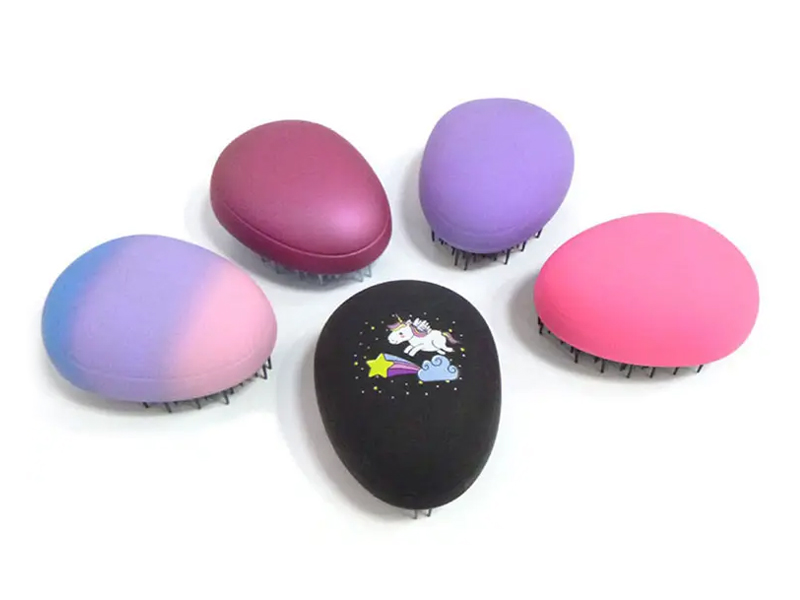
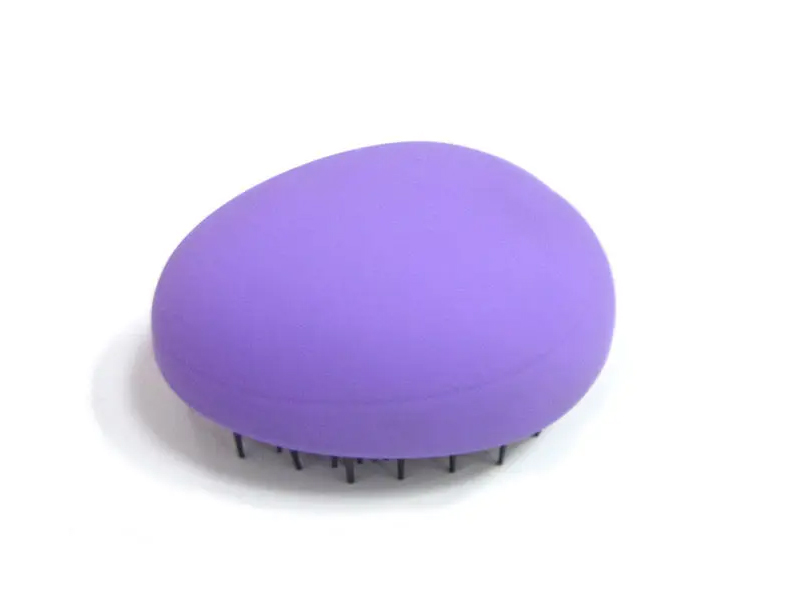
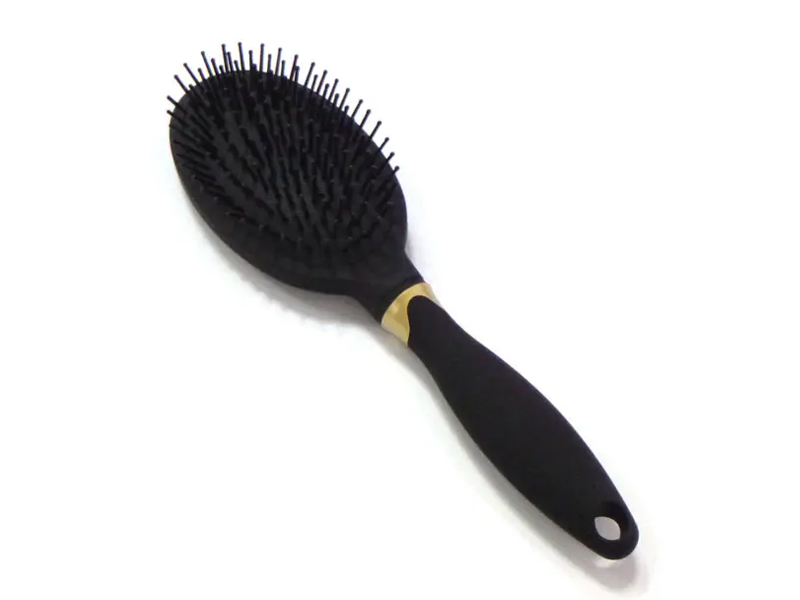
Egg Anti-static Massage Detangle Massage Comb
The Egg Anti-static Massage Detangle Massage Comb is a uniquely designed hair care tool that combines practical fun...


Content
The Massage Hair Brush has become an essential tool for modern hair care routines. With a variety of options on the market, selecting the right brush can enhance scalp health, stimulate hair growth, and reduce hair breakage. Understanding the key features ensures you make an informed choice that suits your hair type and styling needs.
The material of a Massage Hair Brush plays a significant role in both comfort and effectiveness. Common materials include:
The bristle design determines the massage effect and detangling efficiency. Important aspects include:
Comfortable handling is crucial for an effective massage experience. Key points to consider:
Modern Massage Hair Brushes often feature specialized massage technologies to enhance circulation and scalp health:
Different hair types benefit from specific Massage Hair Brush designs:
Durable brushes offer long-term value. Consider the following features:
Investing in a Massage Hair Brush is not only about cost but also long-term hair health:
| Brush Type | Bristle Material | Hair Type | Key Feature | Price Range |
| Boar Bristle Brush | Natural Boar | Fine to Normal Hair | Oil Distribution & Shine | $$$ |
| Silicone Detangling Brush | Silicone | Wet or Curly Hair | Gentle Detangling | $$ |
| Wooden Massage Brush | Wood | All Hair Types | Scalp Stimulation & Anti-Static | $$$ |
Yes, regular scalp massage with the right brush can improve blood circulation, which may stimulate hair follicles and promote healthy hair growth over time.
While most brushes can be used on different hair types, selecting a brush with appropriate bristle design and material ensures optimal results and prevents damage.
Using the brush daily or several times a week is generally recommended. Overuse with too much pressure can cause scalp irritation or hair breakage.
Yes, gentle scalp massage can help remove dead skin cells and distribute natural oils, potentially reducing dandruff when combined with proper hair care routines.
Remove hair strands after each use and wash the brush with mild soap and warm water weekly. Ensure it is fully dry before the next use to prevent bacteria buildup.
Choosing the right Massage Hair Brush involves understanding the brush material, bristle design, scalp massage features, hair type compatibility, and ergonomic handling. High-quality brushes not only enhance hair appearance but also improve scalp health and promote relaxation. Evaluating features, comparing options, and regular maintenance ensure a long-lasting, effective hair care tool.

Copyright © 2024 Ningbo Junyang Brushes Company.
Wholesale Hair Brush Manufacturer
OEM Hair Brush Factory
