

 English
 中文简体
中文简体
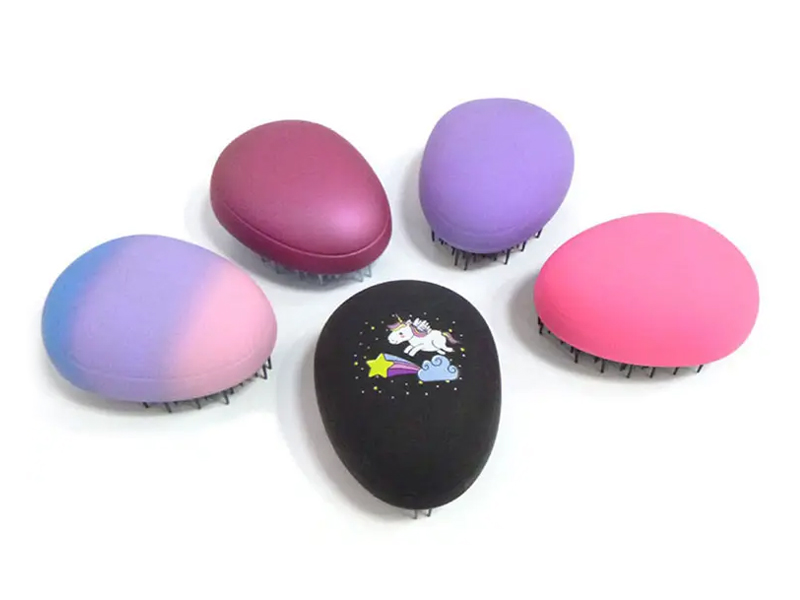
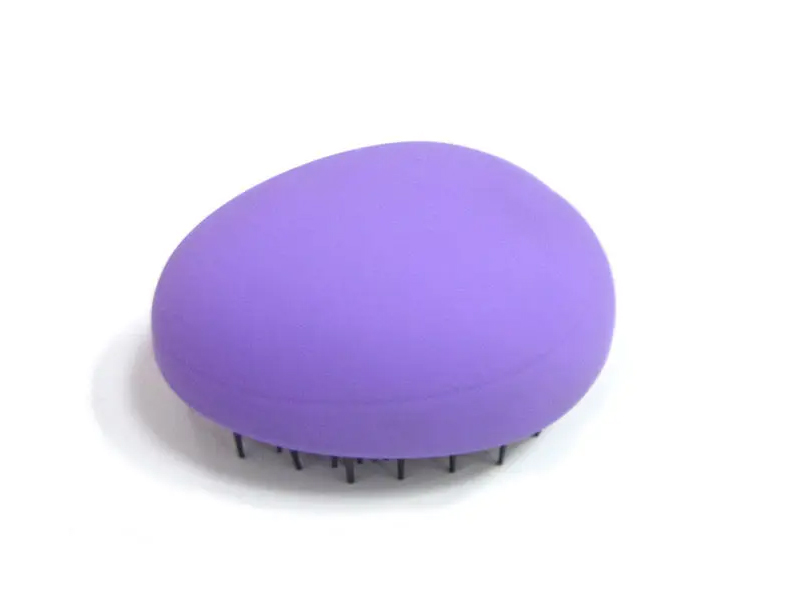
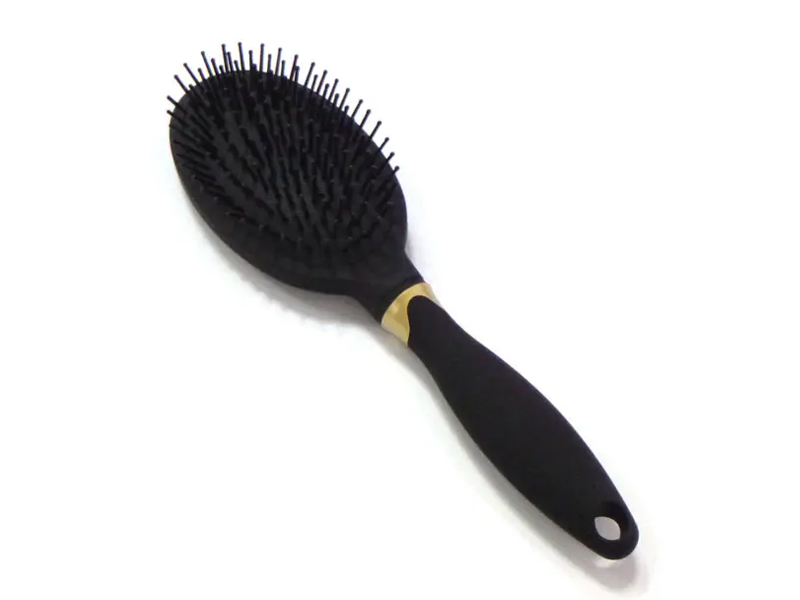
Egg Anti-static Massage Detangle Massage Comb
The Egg Anti-static Massage Detangle Massage Comb is a uniquely designed hair care tool that combines practical fun...


Content
Wooden and bamboo hair brushes serve multiple essential functions for hair health: they reduce static electricity by 90% compared to plastic brushes, naturally distribute scalp oils from root to tip, stimulate blood circulation to promote hair growth, and minimize breakage through gentle detangling. These eco-friendly tools are particularly beneficial for fine, damaged, or frizz-prone hair types.
Unlike plastic brushes that generate electrical charges through friction, wooden and bamboo brushes are natural insulators. Wood does not conduct electricity, which means brushing does not create the static buildup that causes flyaways and frizz. Users report smoother, more manageable hair immediately after switching from plastic to wooden alternatives.
The porous nature of wood and bamboo allows these brushes to absorb excess scalp sebum and redistribute it along the hair shaft. This natural conditioning action helps:
Wooden bristles with rounded tips provide gentle scalp massage during brushing. This mechanical stimulation increases blood flow to hair follicles, which studies suggest can contribute to stronger hair growth and healthier follicle function. The massage effect also promotes relaxation and can help reduce tension headaches.
Wooden and bamboo bristles are typically wider-spaced and more flexible than plastic alternatives. This design allows the brush to glide through tangles without pulling or snapping hair strands. For individuals with brittle or chemically treated hair, this gentler approach can reduce breakage by up to 40% during daily styling routines.
High-quality wooden brushes, particularly those made from bamboo—a grass that grows up to 3 feet per day—offer exceptional longevity. With proper care, a bamboo hair brush can last 5 to 10 years, outperforming plastic brushes that often crack or lose bristles within 12 to 18 months.
Bamboo reaches harvest maturity in just 3 to 5 years compared to 20 to 50 years for hardwood trees. When discarded, wooden and bamboo brushes decompose naturally within 6 months to 2 years, while plastic brushes persist in landfills for 400 to 1,000 years. This makes wooden brushes a genuinely sustainable grooming choice.
Natural wood contains antimicrobial properties that resist bacterial and fungal growth. Bamboo specifically contains "bamboo kun," a natural bio-agent that makes it resistant to pests and pathogens. For individuals with sensitive scalps or allergies, wooden brushes minimize exposure to synthetic chemicals and potential irritants found in plastic manufacturing.
| Feature | Wood/Bamboo | Plastic | Metal |
|---|---|---|---|
| Static Generation | Minimal | High | Very High |
| Oil Distribution | Excellent | Poor | None |
| Scalp Massage | Gentle | Harsh | Abrasive |
| Biodegradability | Yes (6-24 months) | No (400+ years) | Partial |
| Typical Lifespan | 5-10 years | 1-2 years | 10+ years |
| Comparison of hair brush materials and their functional properties | |||
It is not recommended to use wooden brushes on soaking wet hair, as prolonged water exposure can cause wood to swell, crack, or develop mold. Hair is also 3 times more fragile when wet. For detangling wet hair, use a wide-tooth comb first, then switch to your wooden brush once hair is at least 80% dry.
Remove hair from the bristles weekly using a cleaning tool or comb. For deeper cleaning, mix warm water with mild shampoo or castile soap. Dip a cloth in the solution and wipe the bristles and base—never submerge the entire brush in water. Dry immediately with a towel and place bristle-side down to air dry completely.
Wooden brushes work exceptionally well for fine, normal, and dry hair types. For very thick, coarse, or tightly coiled hair, look for wooden brushes with stiffer natural bristles or reinforced bamboo pins. Individuals with extremely dense hair may need to section hair before brushing for optimal results.
If a wooden brush develops an odor, it typically indicates moisture retention or bacterial growth in the wood pores. Clean the brush thoroughly with a solution of water and white vinegar (1:1 ratio), then sun-dry for 2 hours. To prevent future odors, ensure the brush dries completely between uses and store it in a well-ventilated area.
With proper maintenance, a quality bamboo brush should last 5 to 10 years. Replace your brush when you notice significant bristle loss, splintering of the wood, cracks in the base, or if the cushion (on padded models) becomes brittle. Regular cleaning and avoiding water exposure will maximize lifespan.
To fully leverage the functions of your wooden or bamboo hair brush, follow these evidence-based practices:
Adopting these habits ensures that the functional benefits—reduced static, improved oil distribution, and enhanced scalp health—remain consistent throughout the brush's extended lifespan.

Copyright © 2024 Ningbo Junyang Brushes Company.
Wholesale Hair Brush Manufacturer
OEM Hair Brush Factory
