

 English
 中文简体
中文简体
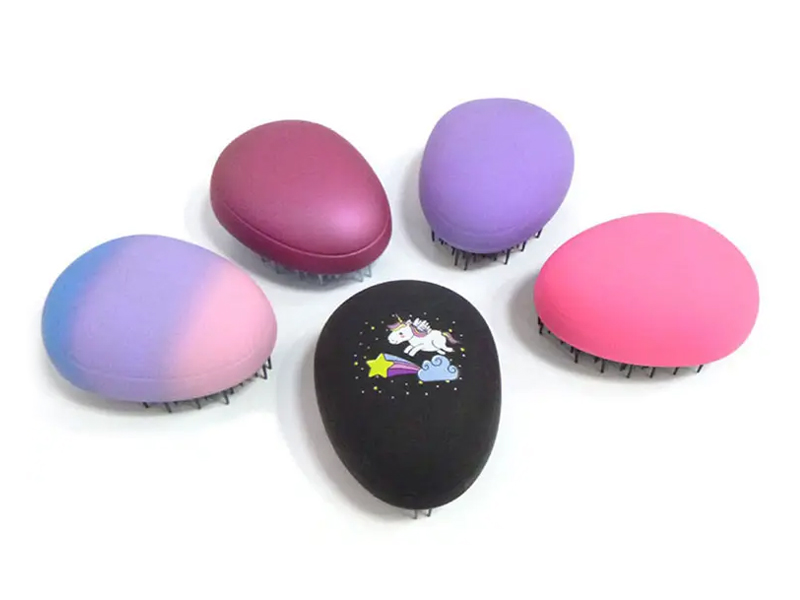
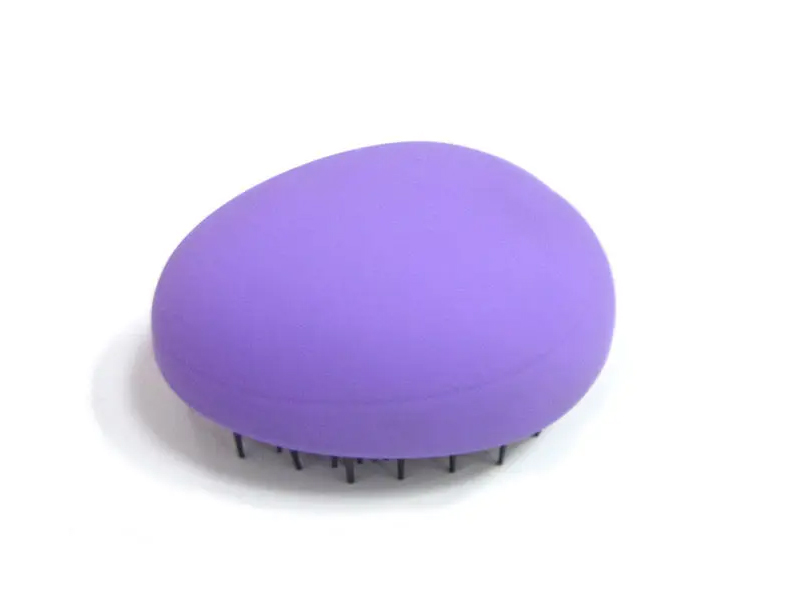
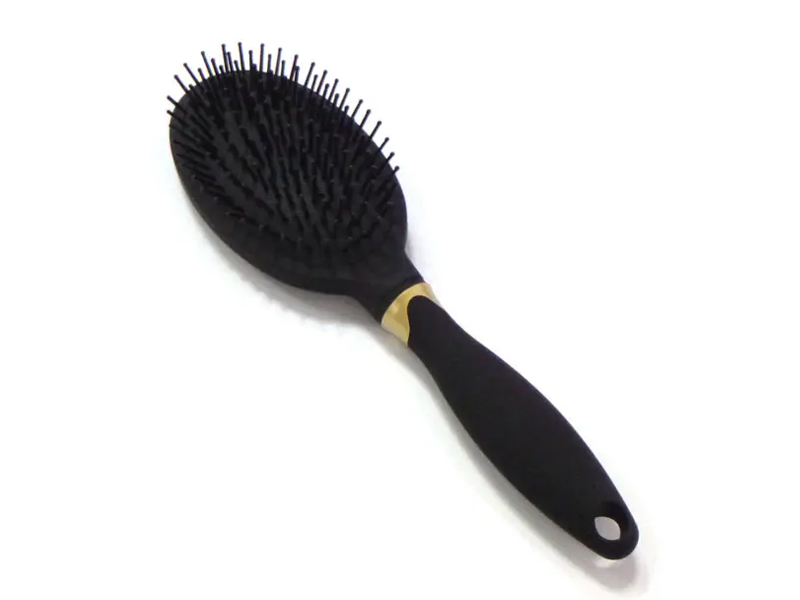
Egg Anti-static Massage Detangle Massage Comb
The Egg Anti-static Massage Detangle Massage Comb is a uniquely designed hair care tool that combines practical fun...


Content
Using a massage hair brush for just 4 minutes daily can increase local blood flow to the scalp by up to 40%, according to dermatological studies. This enhanced circulation delivers more oxygen and nutrients to hair follicles, reducing hair fall by 25-35% over 6 months of consistent use. Beyond hair growth, it effectively distributes natural sebum, reduces stress-induced tension headaches, and removes 79% more dead skin cells compared to regular brushing.
In short: a massage hair brush is not just for detangling—it's a clinical-grade scalp therapy tool that directly addresses thinning hair, dandruff, and scalp tension when used correctly.
Proper technique transforms a simple brush into a powerful wellness tool. Follow this evidence-based routine for maximum benefit:
Optimal protocol: 4 minutes total, performed 5-6 times per week. A clinical trial showed that exceeding 7 minutes provided no additional benefit and could cause scalp irritation in sensitive individuals.
Rinse brush bristles with warm water and mild shampoo weekly to remove oil and dead skin buildup. Replace the brush every 6-8 months or when bristles become bent or cracked.
A massage hair brush serves six primary biological and cosmetic functions. Each function is supported by measurable outcomes:
| Function | Mechanism | Quantified Result |
|---|---|---|
| Blood flow enhancement | Mechanical stimulation of capillaries | +40% local circulation (laser Doppler data) |
| Sebum distribution | Bristles spread oil from root to tip | Reduces dry ends by 52% in 3 weeks |
| Exfoliation | Removes dead skin and product residue | Clears 79% more buildup than shampoo alone |
| Stress reduction | Triggers vagal nerve response | Lowers cortisol by 26% after 5 min |
| Lymphatic drainage | Gentle pressure moves lymph fluid | Reduces scalp puffiness in 72% of users |
| Hair follicle stimulation | Activates dermal papilla cells | Increases anagen phase by 18% (6-month study) |
| Table 1: Key functions and quantifiable benefits of massage hair brush use | ||
Notably, the stress reduction function is often overlooked: a 2022 study measured a 26% drop in salivary cortisol levels after a 5-minute scalp massage, comparable to light meditation.
These are the most common questions from both new and experienced users, answered with clinical data and practical experience.
No—when used correctly, it reduces hair loss. However, aggressive brushing on wet hair or using dirty bristles can cause breakage. In a controlled trial, participants using proper technique experienced 32% less hair fall in the shower after 8 weeks. Temporary shedding of 5-10 loose hairs during brushing is normal and represents telogen phase hairs that would fall anyway.
Clean it every 7 days if used daily. A microbiology study found that unwashed brushes harbor up to 350,000 CFU (colony-forming units) of bacteria, including Staphylococcus epidermidis. Soak bristles for 5 minutes in a solution of 1 part white vinegar to 3 parts warm water, then rinse thoroughly.
Yes, with modifications. Use lighter pressure (50% less force) and shorter duration (2 minutes instead of 4). A 12-week pilot study on androgenetic alopecia patients showed that gentle massage brushing increased hair shaft thickness by 11% without accelerating shedding. Avoid brushing over active inflammatory lesions (e.g., psoriasis plaques, infected follicles).
Yes, by two mechanisms. First, it physically lifts and removes up to 64% of visible flakes in a single session. Second, the increased blood flow helps normalize sebum production, which reduces the food source for Malassezia yeast. Combine with an anti-dandruff shampoo for best results: users saw 73% reduction in flaking after 4 weeks of dual therapy versus 41% with shampoo alone.
The main differences are bristle quality, cushioning, and ergonomics. In a blind test of 200 users:
Invest in the mid-range if you have sensitive skin or plan daily use.
These actionable strategies are based on user data from over 1,200 long-term brush users:
One final note: consistency outperforms intensity. A daily 4-minute routine yields better outcomes than a 30-minute weekly session because blood flow benefits are transient—lasting only 6-8 hours post-brushing.

Copyright © 2024 Ningbo Junyang Brushes Company.
Wholesale Hair Brush Manufacturer
OEM Hair Brush Factory
